
Russian Presidential Elections: Candidates and What Could Change After 2018
Alina Nychyk
December 6, 2017
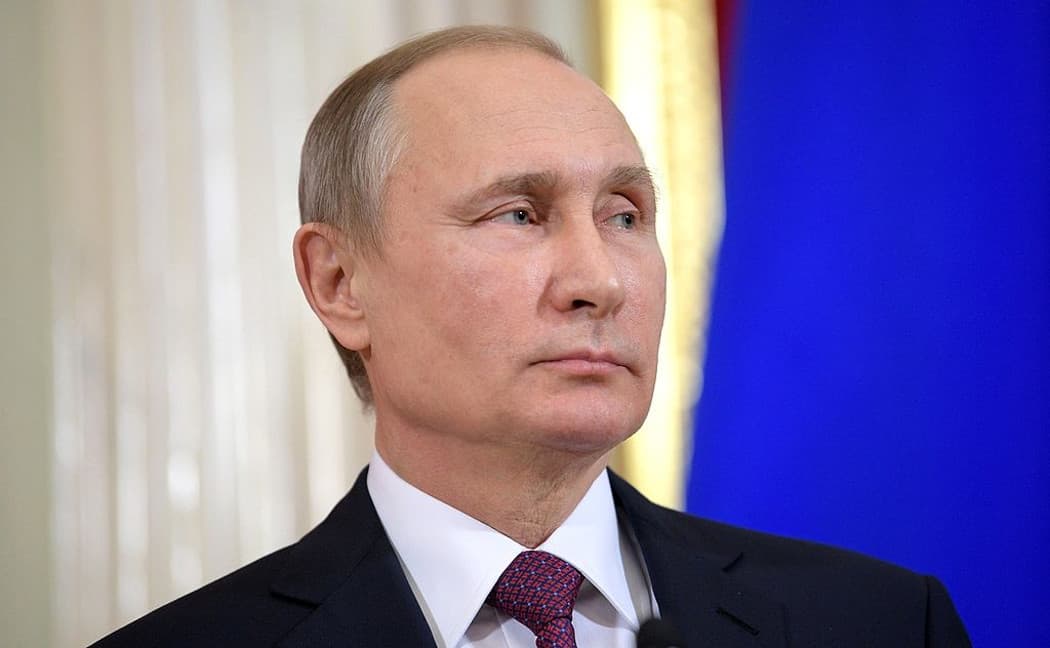
Wrocław, Poland (ViaNews) - Due to different reasons, the 2018 Russian presidential elections are unique. To some extent, they will reveal the ‘real face’ of Russian society. For the last years, Russian present rulers annexed Crimea, started the conflict in Eastern Ukraine, involved Russia in the war in Syria, interfered in elections in many countries and spoiled relations with the Western world. Economic sanctions decreased the already low level of life of ordinary Russians. Therefore, elections will show the acceptance of Vladimir Putin’s policy by the population. The EU, the USA and especially Ukraine – all have a hope that finally, Russia may turn into a more democratic country and able to respect international laws.
President Putin, having actual power since 2000, stays the most likely person to win the elections. While his critics hope him to lose, many argue that Russia can become less stable, more dangerous and unpredictable place without Putin.
The biggest opponent of Russian President is oppositionist Aleksey Navalny. Putin’s fear of this person is proven by the heavy attacks on protests organized by him, as well as legal proceedings against him. Due to the allegedly politically motivated criminal conviction, Aleksey Navalny might not even have a chance to run in the elections. Although many democratically oriented Russians do not support Aleksey Navalny, he is the only possible option for a change of power in the Kremlin. The problem of the Russian opposition stays the same – it is completely divided, as everyone wants to get elected. In Ukraine, many do not favor Aleksey Navalny, as he is not eager to give Crimea back, but suggests organising another referendum there.
There is almost no chance for Ksenia Sobchak to make it into the Presidential chair. However, as many accuse her, she will make her job and split the already divided liberal opposition. She is going to become a nice sign of ‘democracy and political freedom’ in Russia, which will also take the attention of foreign media. While it is hardly possible that Ksenia Sobchak can win the 2018 Russian presidential elections, she can make a good start for 2024. Other candidates complement the picture of ‘democratic elections’. Nationalist Kremlin clown Vladimir Zhirinovsky and communist Gennady Zyuganov are going to take part in these elections, as they did in previous ones.
The biggest Polish media channel is sure that Vladimir Putin aims not just to win the 2018 elections, but to receive an overwhelming majority support, as he needs to prove his legitimacy for power. Many analysts are talking about the need for President Putin to work on the changes of the constitution in case of victory, as his next possible term would be the last one according to the present Russian constitution.
Vladimir Putin has already confirmed his decision to run in the 2018 presidential elections.
In any case, before the election, President Putin needs to make some promises to the country steeped in poverty. As most of the things have already been promised previously, it is difficult to find a new inspiring tale for the population. He does not have many options at the table. It is possible to unite the population against the foreign enemy. However, such a strategy has already been used a number of times. The present President can also bring a visible solution to some of the conflicts he himself started. His latest idea of a peacekeeping mission in Donbass could be one of the pre-electoral steps. As the price for gas and oil is not going up, Putin will not have sources for financial machinations, like increasing social benefits.
According to Ukrainian politician, Sergii Taruta, Ukraine should not expect rapid changes in Russian policy towards Ukraine after the elections. However, the tendency of friendly relations with Ukraine, presented by Ksenia Sobchak’s recognition of Ukrainian Crimea and Russian responsibility for the war in Donbass, may develop new political trends and new politicians, which may bring changes in the later future.
With all the stated above, the ‘good’ outcome of 2018 Russian elections is not so realistic, as the Western world may hope. Although some changes will likely happen, the results are quite difficult to predict.