

Electronics sports (eSports) have been gaining traction on a global scale over the past few years, but 2018 turned out to be very successful for the segment. Many analysts have been watching the eSports market believe that it will be the next industry to reach the $1 billion mark.
According to a research firm called Statistica, the eSports market generated about $492.7 million globally in 2016 although it was still in its early stages back then. The research firm estimates that 2019 will be the year that eSports breaks the $1 billion barriers. Statistica also believes that the eSports market will generate 1.48 billion USD by 2020.
The eSports market has been rapidly growing over since 2016, but it managed to break into the mainstream in 2018. This growth is mainly because brands have identified the potential that lies the eSports industry and so many of them have been getting involved to tap into those opportunities. There has also been an influx of investors working towards getting an early start in a market that has the potential to generate billions annually.
The industry has also gained global recognition thanks to major games such as Overwatch and PUBG. However, traditional games such as Call Of Duty and Mortal Kombatalso feature competitions in which individual players or teams face off against rivals in competitions where winners walk away with bragging rights and big fat cheques.
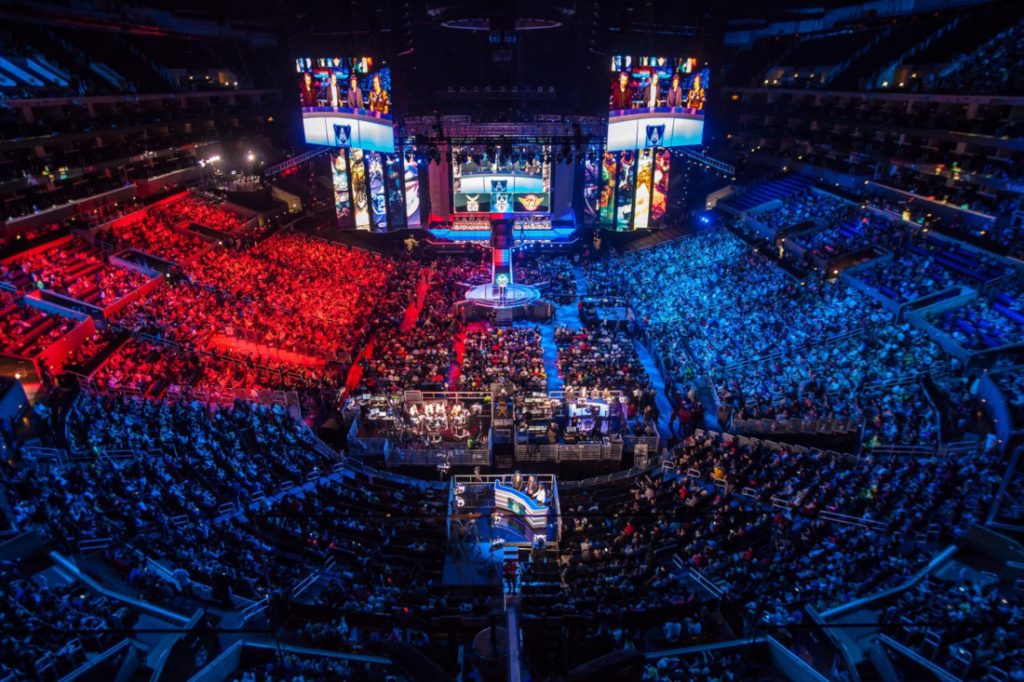
While still in the subject of price winnings, the eSports arena has also promoted trends such as team ownership just like traditional sports where an individual or organization may own and manage a team of players. These teams compete against other rival teams, and these type of competitions have been a catalyst for the industry. It is because they promote professional handling of the eSports compete with audiences and ticket sales as well as price winnings for the winners. The teams are also able to attract sponsors and endorsements depending on how good they are.
Analysts are optimistic about the future of the gaming industry
Observers believe that the currently lucrative nature of the gaming industry especially the eSports market is just a taste of what is to come. The industry’s current momentum will likely promote more investment in the gaming industry. Gaming is growing more popular not only amid professional gamers but also in the amateur category. According to Pew Research, 43% of all adults in the U.S play video games every now and then whether through gaming consoles, computers, and portable devices.
Mainstream gaming is particularly popular among millennials and teenagers. Games such as FIFA or racing games which mimic real-life sports have also become quite popular. Some of these games have physics that makes them so realistic, allowing them to be used by professionals for training purposes. For example, racing games are often used by racers to familiarize themselves with racetracks or to perfect their lines which helps them to become better. It also helps them cut down on resource utilization and costs that would have otherwise been involved if they only had to train on actual race tracks with real cars.
The fact that eSports are more convenient in terms of skill building and resource usage has also encouraged eSports competitions even in racing. However, they will probably not replace the real thing anytime soon. From the current standpoint, the future of the gaming industry looks very solid. Online gaming is one of the industry trends that have been gaining traction; it is expected to pave the way for more payment-based services, making the industry potentially more lucrative.