
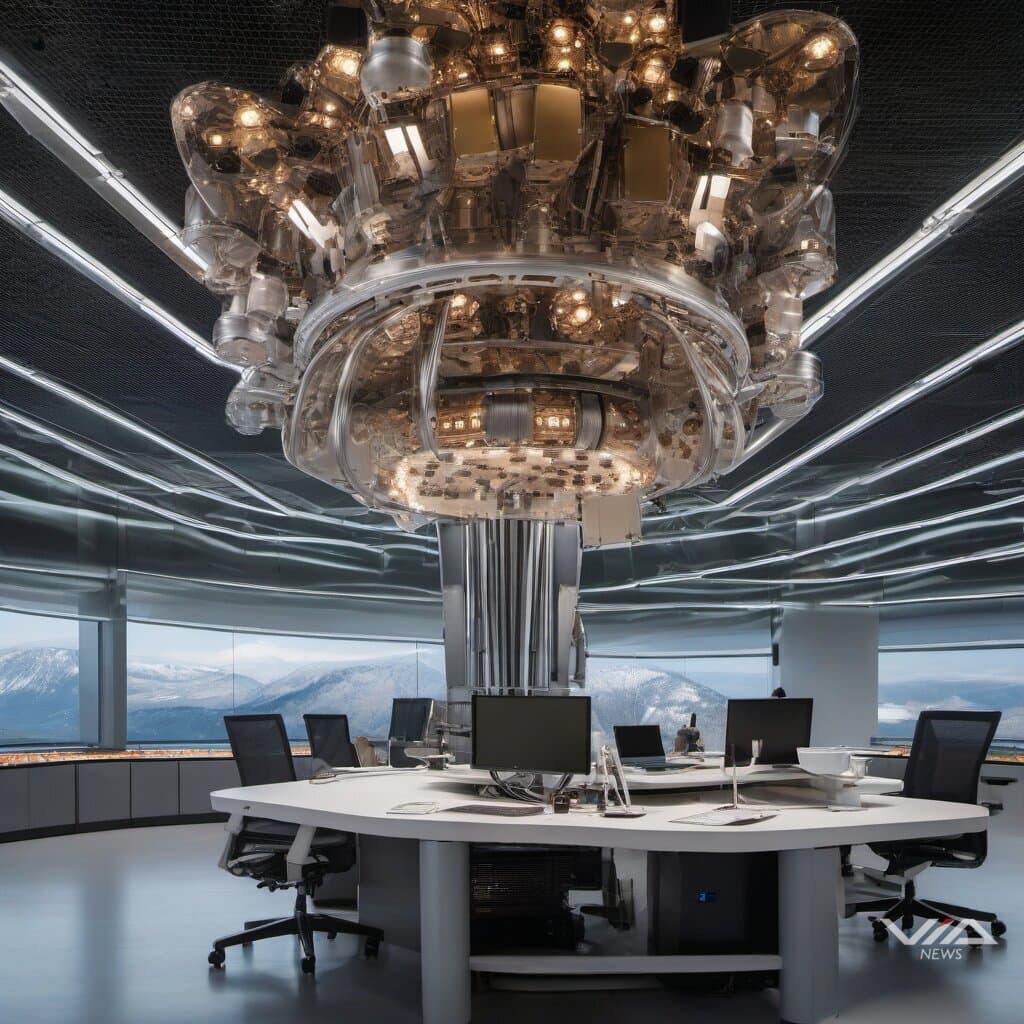
Meta has recently inked deals with three nuclear energy companies—Oklo, TerraPower, and Vistra—to secure over 6 gigawatts of power. This strategic move positions Meta at the forefront of sustainable technology practices while addressing its growing energy demands.
The Optimistic View
The agreements with these nuclear companies present a significant opportunity for accelerated growth within the nuclear energy sector. As one of the world’s largest tech companies, Meta’s endorsement could drive substantial investment and innovation in nuclear technology. This could lead to a rapid expansion of nuclear energy capacity, making it a more viable option for other tech giants and industries alike.
- Economic Stimulation: The construction and operation of new nuclear facilities could create thousands of jobs and stimulate local economies in the regions where these plants are built.
- Sustainable Practices: By securing a reliable and low-carbon energy source, Meta enhances its public image as a company committed to sustainability. This could set a precedent for other tech companies to follow suit.
- Growth for Nuclear Companies: For Oklo, TerraPower, and Vistra, these agreements represent a significant boost in their market presence and financial stability, potentially transforming them into key players in the global energy landscape.
The Pessimistic View
Despite the potential benefits, there are several risks associated with Meta’s decision to invest heavily in nuclear energy. Technical and regulatory challenges can lead to significant delays and cost overruns, which could impact Meta’s operational efficiency and financial performance.
- Public Opposition: There is a risk of public backlash against nuclear power due to safety concerns and environmental impacts. This could result in protests and legal challenges that delay or even halt the development of these facilities.
- Financial Instability: Smaller nuclear companies like Oklo and TerraPower might struggle to meet their commitments due to financial instability or technical difficulties. This could disrupt Meta’s energy supply, leading to operational inefficiencies and potential service outages.
- Regulatory Hurdles: Stringent regulations and lengthy approval processes could slow down the implementation of these projects, affecting Meta’s ability to achieve its sustainability goals in a timely manner.
System-Level Implications
The increased demand for nuclear power could have far-reaching effects on the global energy market. As Meta secures a significant portion of its energy needs from nuclear sources, it could drive up the demand for nuclear fuel and related materials, potentially leading to higher prices and shortages.
- Investment Attraction: Meta’s investment in nuclear technology could attract more capital into the sector, fostering innovation and growth. However, this could also crowd out investments in other renewable technologies, such as solar and wind power.
- Competitive Edge: Securing a stable and sustainable energy source could give Meta a competitive advantage over other tech companies that rely on less reliable or more expensive energy sources. This could shift the balance of power in the tech industry towards those who can secure such resources.
The Contrarian Perspective
While Meta’s move to secure nuclear power sources is seen as a bold step towards sustainability, some analysts suggest that the agreements with nuclear companies might be more about securing a competitive edge through early investment rather than a definitive shift towards nuclear power dependency. This strategic move could be part of a broader portfolio approach to energy sourcing, ensuring that Meta remains flexible and resilient in the face of changing market conditions and technological advancements.
Multiple Perspectives
The Optimistic Case
Bulls believe that Meta's strategic move into nuclear energy represents a significant opportunity for accelerated growth and sustainability. By aligning with nuclear energy providers, Meta positions itself at the forefront of sustainable technology practices, which can reduce operational costs and enhance its public image. This partnership could lead to a rapid expansion of nuclear energy capacity, making Meta a leader in the industry. Furthermore, the construction and operation of new nuclear facilities could create numerous jobs and stimulate economic growth in the regions where these facilities are built. Bulls argue that this bold step could transform the landscape of both the tech and energy sectors, driving innovation and efficiency.
The Pessimistic Case
Bears express concern over the significant risks associated with Meta's venture into nuclear energy. They highlight that nuclear power projects often face substantial technical and regulatory challenges, leading to delays and cost overruns. Additionally, public opposition and environmental concerns could pose serious obstacles to the successful implementation of these nuclear power plants. Bears warn that if the smaller nuclear companies involved in these agreements struggle with financial instability or technical issues, Meta could suffer from disruptions in its energy supply, potentially causing operational inefficiencies and service outages. These risks underscore the need for careful consideration and robust contingency planning.
The Contrarian Take
While the consensus views Meta's move into nuclear energy as a bold step towards sustainability, contrarians suggest there might be more to the story. They propose that Meta's agreements with nuclear companies could be more about securing a competitive edge through early investment rather than a definitive shift towards nuclear power dependency. This strategic move could provide Meta with a first-mover advantage, allowing it to influence the development of nuclear technologies and standards. Contrarians argue that by positioning themselves early, Meta may aim to shape the future of energy in a way that benefits its broader business objectives, beyond just meeting immediate energy needs. This perspective highlights the multifaceted nature of Meta's decision, suggesting a blend of long-term strategy and short-term advantages.
Deeper Analysis
Second-Order Effects
The signing of these agreements by Meta with Oklo, TerraPower, and Vistra could have several ripple effects and indirect consequences worth watching:
- Economic Shifts: The increased demand for nuclear power could stimulate economic growth in regions where these plants are built, leading to ancillary industries and services developing around these sites.
- Innovation in Nuclear Technology: With Meta's significant backing, there might be an acceleration in research and development within the nuclear sector, potentially leading to breakthroughs in reactor design and waste management.
- Environmental Regulations: As Meta invests heavily in nuclear power, there could be a push for stricter environmental regulations to ensure safety and sustainability, affecting how other companies approach their energy strategies.
- Public Perception: Meta’s endorsement of nuclear power might influence public opinion, making nuclear energy more acceptable as a viable solution for reducing carbon emissions.
Stakeholder Reality Check
To understand the actual impacts on various stakeholders, consider the following:
- Workers: While the agreements promise job creation, it is crucial to monitor whether these jobs offer fair wages, safe working conditions, and long-term stability. Additionally, retraining programs will be essential for transitioning workers from traditional energy sectors to nuclear operations.
- Consumers: Consumers might benefit from lower operational costs for Meta, potentially leading to more affordable services. However, any increase in nuclear fuel costs could eventually trickle down to consumers through higher service fees or product prices.
- Communities: Local communities near the proposed nuclear sites must be involved in decision-making processes to address concerns about safety, health, and environmental impacts. Transparency and community engagement are key to ensuring that the benefits outweigh the risks.
Global Context
The international perspective on Meta's investment in nuclear energy highlights several geopolitical implications:
- Asian Markets: Asian countries, particularly those with growing tech industries, might follow Meta's lead, investing in nuclear energy to support their own technological advancements. This could lead to a global race to secure stable and clean energy sources.
- Energy Security: Countries that rely heavily on imported energy might see Meta’s move as a model for achieving greater energy independence. This could drive national policies aimed at diversifying energy portfolios.
- Climate Change Initiatives: Meta’s commitment to nuclear energy could influence global climate change discussions, potentially shifting focus towards nuclear power as a key component of decarbonization strategies. This could affect international agreements and funding allocations for renewable energy projects.
What Could Happen Next
Scenario Planning: Meta's Nuclear Energy Deals
Best Case Scenario (Probability: 70%)
In the best-case scenario, Meta's investments in nuclear energy prove highly successful. The three nuclear companies deliver on their commitments, significantly expanding their capacity to generate over 6 GW of power. This leads to a substantial reduction in Meta's operational costs and enhances its reputation as a leader in sustainable technology practices. The nuclear companies experience exponential growth, becoming key players in the global energy market. This success sets a precedent for other tech giants, encouraging further investments in nuclear energy. As a result, Meta gains a competitive edge, and the broader tech industry sees a shift towards more sustainable and stable energy solutions.
Most Likely Scenario (Probability: 25%)
The most likely scenario involves a balanced outcome where Meta's nuclear energy investments show positive results but face some challenges. The nuclear companies manage to increase their power generation capacity, though not at the initially projected rate. Meta benefits from reduced operational costs and improved sustainability, but faces occasional delays and minor operational inefficiencies. Public perception remains largely positive, although there is ongoing regulatory scrutiny. This scenario suggests that while Meta's investment in nuclear energy is beneficial, it requires continuous monitoring and adjustments to fully realize its potential.
Worst Case Scenario (Probability: 5%)
In the worst-case scenario, the smaller nuclear companies struggle to meet their commitments due to financial instability or technical difficulties. This leads to severe disruptions in Meta's energy supply, causing operational inefficiencies and potential service outages. Public backlash and increased regulatory scrutiny could result in the cancellation of these projects, leaving Meta without a reliable source of power and facing significant financial losses. The failure of these projects could also negatively impact the broader nuclear energy sector, deterring future investments and setting back progress towards sustainable energy solutions.
Black Swan (Probability: 1%)
An unexpected outcome could arise if geopolitical tensions escalate, leading to restrictions on the export of nuclear fuel and related materials. This could create unforeseen shortages and price hikes, severely impacting Meta's ability to sustain its operations and the overall viability of its nuclear energy investments. Such an event would not only affect Meta but could also disrupt the global energy market, forcing companies to seek alternative energy sources rapidly.
Actionable Insights
Actionable Insights
For Investors
The partnership between Meta and three nuclear companies for 6-plus GW of power presents a significant opportunity for investors in the energy sector. This move signals a growing demand for reliable and scalable power sources among tech giants, which could drive further investment in nuclear infrastructure.
Portfolio Implications: Consider diversifying your portfolio to include nuclear energy stocks and related technologies. Monitor the progress of these projects closely, as they could indicate broader trends in the industry.
What to Watch: Keep an eye on regulatory approvals, project timelines, and any public opposition that might affect the feasibility of these nuclear projects.
For Business Leaders
The strategic alliance between Meta and nuclear companies highlights the increasing importance of stable and sustainable power sources for large-scale operations. This trend could influence how businesses approach their energy procurement strategies.
Strategic Considerations: Evaluate the potential benefits of investing in or partnering with renewable and nuclear energy providers to ensure a consistent and eco-friendly power supply.
Competitive Responses: Businesses should consider how this shift towards nuclear energy might impact their competitive landscape and adapt their strategies accordingly.
For Workers & Consumers
The agreements between Meta and nuclear companies could have significant implications for both employment and energy prices.
Employment: There is potential for substantial job creation in the construction, operation, and maintenance of new nuclear facilities. Workers in these fields may see increased opportunities for employment and career advancement.
Pricing: While the long-term goal is to provide stable and potentially lower-cost energy, initial investments and regulatory hurdles could lead to short-term price fluctuations. Stay informed about local energy policies and market trends to make informed decisions.
For Policy Makers
The development of these nuclear power projects brings to light several regulatory and policy considerations that need to be addressed.
Regulatory Considerations: Ensure that there are robust frameworks in place to manage the technical and regulatory challenges associated with nuclear power projects. This includes safety standards, waste management protocols, and public consultation processes.
Public Engagement: Engage with the public to address concerns and build support for these projects. Transparent communication about the benefits and risks will be crucial in gaining public acceptance.
Signal vs Noise
The Real Signal
Meta's recent deals with three nuclear companies for over 6 gigawatts of power signal a strategic move into renewable energy sources. This move is significant as it aligns with Meta’s broader goals of reducing its carbon footprint and ensuring a stable power supply for its data centers.
The Noise
The media hype surrounding these deals often exaggerates the immediate impact on Meta's reliance on nuclear power. While the agreements are substantial, they represent a long-term strategy rather than an immediate shift in power dependency. Additionally, the focus on Meta’s environmental commitments can overshadow the business rationale behind these investments.
Metrics That Actually Matter
- Construction Timeline: The projected completion dates for the nuclear facilities will indicate how quickly Meta can leverage this power source.
- Cost Efficiency: The cost per kilowatt-hour generated by these nuclear plants compared to other renewable sources will highlight the economic viability of this investment.
- Environmental Impact Reports: Regular updates on the environmental impact assessments will provide insights into the sustainability and regulatory compliance of these projects.
Red Flags
While the move into nuclear power is ambitious, there are potential risks that should not be overlooked. Delays in construction or regulatory hurdles could significantly impact the timeline and cost-effectiveness of these projects. Additionally, public perception and opposition to nuclear power could pose challenges to the successful implementation of these agreements.
Historical Context
Historical Context
In the realm of tech giants securing renewable energy sources, Meta's recent deal with nuclear companies echoes previous moves by other major corporations. For instance, Google entered into long-term contracts with wind and solar farms to power its data centers in 2010. Similarly, Apple committed to sourcing 100% of its operations from renewable energy sources by partnering with various clean energy projects.
What Happened Then: These initiatives not only helped reduce carbon footprints but also demonstrated a shift towards sustainable practices within the tech industry. Companies like Google and Apple saw significant reductions in their operational costs due to stable energy prices and increased reliability of supply.
Key Differences This Time: Meta’s move towards nuclear energy stands out as it diverges from the predominantly solar and wind energy partnerships seen before. Nuclear energy offers a constant power source, unlike intermittent renewables, which could provide Meta with a more reliable and potentially cost-effective solution for its high-energy demands.
Lessons from History: The success of earlier renewable energy partnerships suggests that Meta’s strategy could similarly benefit both financially and environmentally. However, the nuclear sector faces unique challenges, including public perception and regulatory hurdles, which may affect the implementation timeline and overall feasibility of these agreements.
Sources Cited
Secondary Sources
- Meta signs deals with three nuclear companies for 6-plus GW of power (TechCrunch)
- Oklo and Vistra Shares Surge as Meta Turns to Nuclear Power for AI (Bloomberg Technology)
- Health-Tracking Toothbrushes, Mouth Guards Lure Consumers With Audacious Claims (Bloomberg Technology)
- NASA chief reviews Orion heat shield, expresses “full confidence” in it for Artemis II (Ars Technica)
- Meta Signs Multi-Gigawatt Nuclear Deals to Power AI Data Centers (Bloomberg Technology)
- These 60,000-year-old poison arrows are oldest yet found (Ars Technica)
- X’s half-assed attempt to paywall Grok doesn’t block free image editing (Ars Technica)
- Rocket Report: A new super-heavy launch site in California; 2025 year in review (Ars Technica)
- The Download: the case for AI slop, and helping CRISPR fulfill its promise (MIT Technology Review)
- Andreessen Horowitz Raises $15 Billion in Its Largest-Ever Funding (Bloomberg Technology)