
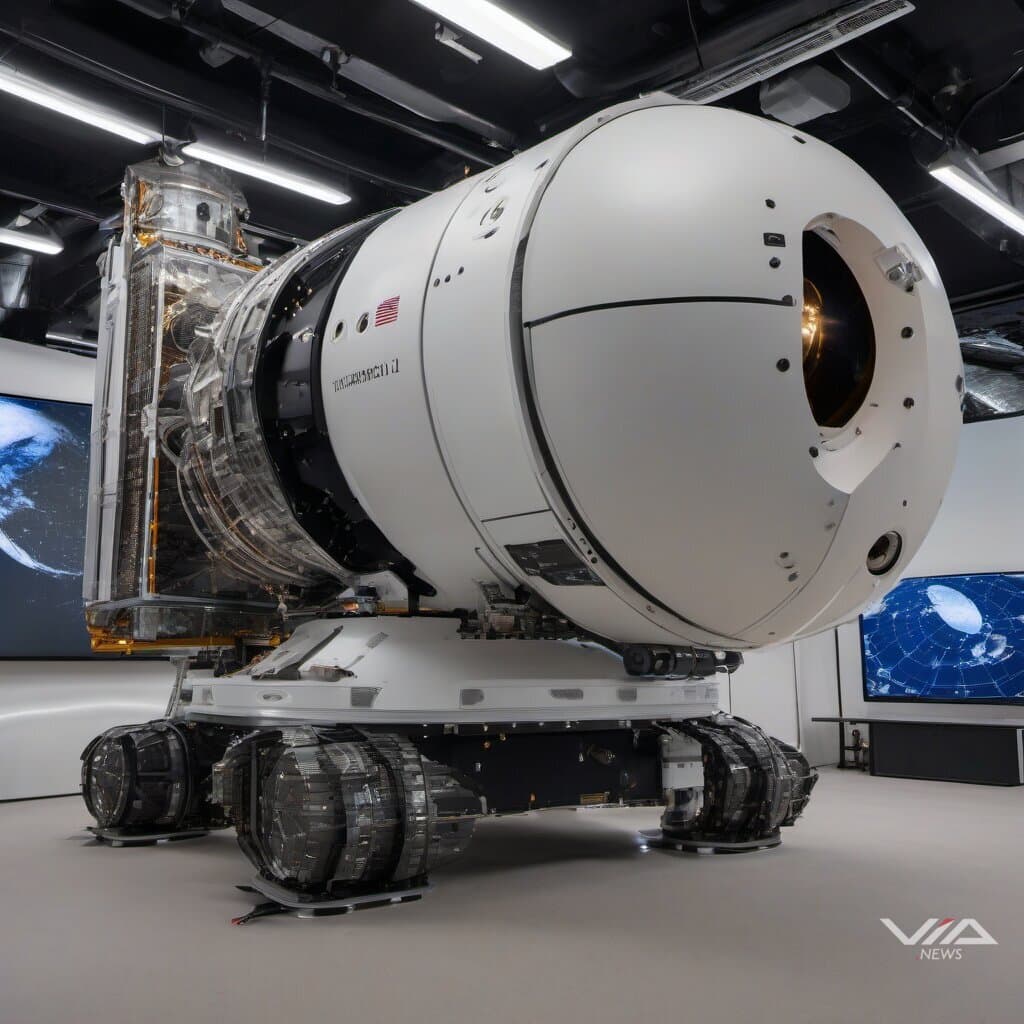
NASA has prepared the Boeing-Lockheed spacecraft for the upcoming Artemis II mission, set to launch from Kennedy Space Center in Cape Canaveral, Florida. The spacecraft, currently housed in Bay 3 of the Vehicle Assembly Building, will soon roll out to Launch Pad 39B for its crewed lunar mission, marking a significant step in the U.S.'s efforts to return humans to the Moon.
The Optimistic View: Advancing Science and Commerce
The successful completion of the Artemis II mission could herald a new era of space exploration and commercialization. Proponents argue that this mission will stimulate technological innovation across the aerospace industry and create numerous jobs, driving economic growth. If Artemis II achieves its goals, it could pave the way for a series of follow-up missions aimed at establishing a sustainable human presence on the Moon. This would not only expand our scientific understanding of the lunar environment but also open up new commercial opportunities, including mining and tourism.
The Pessimistic View: Risks and Costs
However, the path to success is fraught with risks. Technical failures during the mission could lead to significant delays and cost overruns, jeopardizing the entire program. Moreover, the intense competition between the U.S. and China to reach the Moon first could exacerbate geopolitical tensions. In the worst-case scenario, if the Artemis II mission were to fail catastrophically, it could result in a loss of life and severe damage to international relations, particularly between the U.S. and China. Such an outcome could set back future space exploration initiatives and increase global tensions.
System-Level Implications: Technological Innovation and Geopolitical Shifts
The race for lunar dominance is likely to drive increased investment in space-related industries as countries and private enterprises vie for an edge in space exploration. This heightened competition could spur rapid technological innovation, benefiting various sectors beyond aerospace. Additionally, the geopolitical landscape could be reshaped as nations form new alliances or rivalries based on their space ambitions. The U.S. and China's rivalry in space could have far-reaching consequences, influencing diplomatic relations and strategic partnerships worldwide.
The Contrarian Perspective: Collaboration Over Competition
While the Artemis program showcases the technological prowess of the U.S., some experts argue that it may not necessarily translate into substantial geopolitical leverage or outpace China's efforts. The narrative surrounding the competition between the two nations could overshadow the potential benefits of collaboration. Joint missions and shared resources might yield more significant scientific discoveries and commercial opportunities than a zero-sum game approach. Emphasizing cooperation rather than competition could lead to a more stable and productive future in space exploration.
Multiple Perspectives
The Optimistic Case
Proponents of the Artemis II mission envision a future where space exploration drives unprecedented technological innovation and economic growth. They argue that successful completion of the mission will pave the way for a sustainable human presence on the moon, fostering advancements in science and technology. This scenario could lead to the establishment of new industries, such as lunar mining and space tourism, creating numerous job opportunities and stimulating economic activity. Bulls believe that the mission’s success will not only expand our understanding of the universe but also inspire a new generation of scientists and engineers, propelling humanity towards a more ambitious and collaborative space exploration era.
The Pessimistic Case
Bears express significant concerns regarding the risks associated with the Artemis II mission. They highlight the potential for technical failures that could result in catastrophic outcomes, including loss of life and severe financial repercussions. Additionally, there is a fear that the competitive nature of space exploration, particularly between the U.S. and China, could exacerbate geopolitical tensions, potentially leading to conflicts. Bears argue that if the mission were to fail, it could set back future space exploration initiatives and strain international relations, hindering global cooperation in space endeavors. These risks underscore the need for thorough planning and robust safety measures to mitigate potential disasters.
The Contrarian Take
The contrarian viewpoint challenges the prevailing consensus that the Artemis program represents a definitive step forward in space exploration. While acknowledging the technological achievements of the program, this perspective questions whether it truly translates into substantial geopolitical advantages or outpaces China’s space ambitions. Critics suggest that the narrative of competition might overshadow the potential benefits of international collaboration. Instead of focusing solely on rivalry, there could be greater value in fostering partnerships that share resources and knowledge, leading to more efficient and impactful space exploration efforts. This alternative view calls for a reevaluation of how we approach space exploration, emphasizing the importance of unity and shared goals over nationalistic pursuits.
Deeper Analysis
Second-Order Effects
The heightened competition in space exploration, particularly the race to the moon, will likely have several second-order effects that extend beyond immediate technological advancements. One significant consequence is the potential for increased militarization of space. As countries invest more in space technology, there is a risk that these technologies could be adapted for military use, leading to a new arms race in orbit. This could also result in stricter regulations and oversight over space activities, both nationally and internationally.
Another indirect consequence is the impact on environmental policies and sustainability efforts. The increased activity in space could lead to more space debris, posing risks to current and future missions. This might prompt international agreements on space debris management and the responsible use of orbital resources.
Stakeholder Reality Check
- Workers: While the immediate effect is job creation in aerospace and related fields, the long-term reality is that these jobs may not be permanent. The cyclical nature of space programs means that employment can fluctuate based on funding and project timelines. Additionally, the skills required for these jobs are highly specialized, which could limit career mobility outside of the aerospace sector.
- Consumers: Consumers might see indirect benefits through spin-off technologies derived from space research, such as advancements in materials science, telecommunications, and medical devices. However, these benefits often take years to materialize and may not be directly attributable to the lunar race.
- Communities: Communities near space facilities, like the Kennedy Space Center, benefit from economic stimulation due to increased activity. However, they also face challenges such as increased traffic, housing costs, and environmental concerns. There is a need for balanced planning to ensure that local communities can sustainably accommodate the influx of activity associated with space missions.
Global Context
The international perspective on the lunar race is complex and multifaceted. For countries like Japan and India, the increased activity in space exploration presents opportunities for collaboration and partnership, potentially leading to shared technological advancements and joint missions. This could foster a spirit of international cooperation and mutual benefit in scientific endeavors.
However, the geopolitical implications are significant, especially concerning China's active lunar program. The competition could exacerbate existing tensions and lead to a more polarized global landscape, where alliances are formed around shared interests in space exploration and exploitation. This could also influence diplomatic relations and trade, as countries seek to secure their positions in the emerging space economy.
What Could Happen Next
Scenario Planning: NASA's Artemis II Mission
Best Case Scenario (Probability: 60%)
In the best-case scenario, the Artemis II mission successfully completes all its objectives, marking a significant milestone in human space exploration. This success would pave the way for subsequent missions aimed at establishing a sustainable human presence on the moon. The mission's success would likely lead to increased investment from both public and private sectors, fostering advancements in technology and innovation. Companies could begin exploring commercial opportunities such as lunar mining and space tourism, which could transform the economic landscape of space exploration. Additionally, this achievement would strengthen international cooperation, potentially leading to new alliances and collaborative efforts in space.
Most Likely Scenario (Probability: 30%)
The most likely scenario involves the Artemis II mission achieving some of its goals but encountering unexpected challenges that delay the establishment of a permanent lunar base. While the mission might still be considered a success, the setbacks could include technical issues, logistical hurdles, or unforeseen environmental factors. These challenges would require additional resources and time to overcome, potentially delaying the timeline for future missions. Despite these obstacles, the mission would still contribute valuable data and experience, advancing the overall goal of lunar exploration and setting the stage for more robust future endeavors.
Worst Case Scenario (Probability: 10%)
In the worst-case scenario, the Artemis II mission fails catastrophically, resulting in a loss of life and severe damage to international relations, especially between the U.S. and China. Such an event could lead to a significant setback for space exploration initiatives, causing a reduction in funding and a decline in public support for space programs. The failure could also exacerbate geopolitical tensions, potentially leading to a more competitive and less cooperative approach to space exploration among nations. This scenario would have far-reaching implications, impacting not only the progress of space exploration but also the broader geopolitical landscape.
Black Swan (Probability: 5%)
An unexpected outcome that could emerge is the discovery of significant water reserves or other valuable resources on the moon during the Artemis II mission. This discovery could dramatically alter the trajectory of lunar exploration, shifting focus towards resource extraction and utilization. Such a find could spur unprecedented levels of investment and innovation, transforming the moon into a key player in Earth's economic and strategic interests. This scenario, while unlikely, could redefine the goals and outcomes of the space race, creating new opportunities and challenges for all involved.
Actionable Insights
Actionable Insights
For Investors
The Artemis II mission presents both opportunities and risks for investment portfolios. Investors should consider:
- Opportunities: Investing in companies involved in aerospace technology, such as Boeing and Lockheed Martin, which are directly contributing to the mission. Additionally, firms specializing in satellite communications, robotics, and advanced materials may benefit from increased demand.
- Risks: Monitor the progress of the mission closely, as technical failures can lead to significant delays and cost overruns, affecting stock performance. Diversify investments across sectors to mitigate risk.
For Business Leaders
Business leaders should consider the following strategic actions:
- Innovation: Invest in R&D to develop technologies that can be applied to space exploration, potentially securing contracts with NASA or other space agencies.
- Partnerships: Form strategic alliances with aerospace companies to leverage their expertise and resources, enhancing competitiveness in the market.
- Geopolitical Awareness: Stay informed about the evolving relationship between the U.S. and China regarding space exploration, as it may influence business strategies and international collaborations.
For Workers & Consumers
The Artemis II mission has implications for employment and consumer prices:
- Employment: There will likely be an increase in job opportunities in aerospace engineering, manufacturing, and support roles. Workers should consider upskilling or reskilling to meet the demands of these positions.
- Pricing: While direct impacts on consumer prices are minimal, indirect effects such as increased spending on technology and infrastructure could lead to inflationary pressures in certain sectors.
For Policy Makers
Policy makers should focus on:
- Regulation: Develop clear guidelines and regulations for space exploration to ensure safety and ethical standards are maintained.
- International Cooperation: Foster international collaboration to prevent escalation of geopolitical tensions and promote peaceful use of space.
- Economic Incentives: Implement policies that encourage private sector investment in space-related industries, driving economic growth and technological advancement.
Signal vs Noise
The Real Signal
NASA's Artemis program, spearheaded by Boeing and Lockheed Martin, marks a significant advancement in space exploration technology. This initiative aims to return humans to the moon and establish a sustainable presence there, potentially paving the way for future missions to Mars. The program's success could lead to groundbreaking innovations in aerospace engineering and inspire a new generation of scientists and engineers.
The Noise
The narrative surrounding the Artemis program often emphasizes the competitive aspect with China, suggesting a modern space race. While competition can drive innovation, the media hype sometimes overlooks the potential benefits of international cooperation in space exploration. The focus on rivalry might overshadow collaborative opportunities that could accelerate scientific discoveries and technological advancements.
Metrics That Actually Matter
- Economic Impact: Job creation and economic growth stimulated by the Artemis program.
- Innovation Output: Number of patents filed and new technologies developed as a result of the program.
- Collaborative Ventures: International partnerships formed to support lunar exploration and research.
Red Flags
A key warning sign is the potential for the Artemis program to become overly politicized, leading to budgetary constraints or shifts in priorities away from scientific goals towards more nationalistic objectives. Additionally, the environmental impact of increased space activity, including the disposal of space debris, remains a critical but often overlooked issue.
Historical Context
Historical Context
Similar Past Events: The current event echoes the Apollo program during the Cold War era, particularly the Apollo 8 mission in 1968, which was the first crewed spacecraft to leave low Earth orbit and reach the Moon. Another parallel can be drawn with the Space Shuttle program, which aimed to make space travel more routine and accessible.
What Happened Then: The Apollo missions successfully landed astronauts on the Moon six times between 1969 and 1972. However, after Apollo 17, human lunar exploration ceased due to budget constraints and shifting priorities. The Space Shuttle program, while achieving numerous milestones, faced significant setbacks, including the tragic losses of Challenger in 1986 and Columbia in 2003.
Key Differences This Time: Unlike the Apollo era, which was driven by geopolitical competition with the Soviet Union, today's lunar ambitions involve a broader international collaboration and commercial partnerships. Additionally, advancements in technology and materials science have made spacecraft design and operation more efficient and safer. The involvement of private companies like Boeing and Lockheed Martin also marks a departure from the purely government-led efforts of the past.
Lessons from History: The success of the Apollo program underscores the importance of sustained political will and funding for ambitious space projects. The challenges faced by the Space Shuttle program highlight the critical need for rigorous safety protocols and continuous technological innovation. These lessons suggest that while international cooperation and private sector involvement can bring new resources and expertise, they must be balanced with robust oversight and a long-term strategic vision to ensure the success of the Artemis program.
Sources Cited
Secondary Sources
- NASA Readies Boeing-Lockheed Spacecraft for Moon Race with China (Bloomberg Technology)
- Iran’s Supreme Leader Acknowledges Thousands Killed In Unrest (Bloomberg Technology)
- Micron to Buy Taiwan Chip Fabrication Site for $1.8 Billion (Bloomberg Technology)
- Musk wants up to $134B in OpenAI lawsuit, despite $700B fortune (TechCrunch)
- Musk Seeks Up to $134 Billion Damages From OpenAI, Microsoft (Bloomberg Technology)
- India to Start Recovery of Taxes From Tiger Global After Verdict (Bloomberg Technology)
- TCL’s PlayCube projector is more fun than a Rubik’s Cube (The Verge)
- Managers on alert for “launch fever” as pressure builds for NASA’s Moon mission (Ars Technica)
- Lutnick Warns Some Korean, Taiwanese Firms May Face 100% Chip Tariffs Unless They Invest in US (Bloomberg Technology)
- ChatGPT to start showing ads in the US (The Guardian AI)