
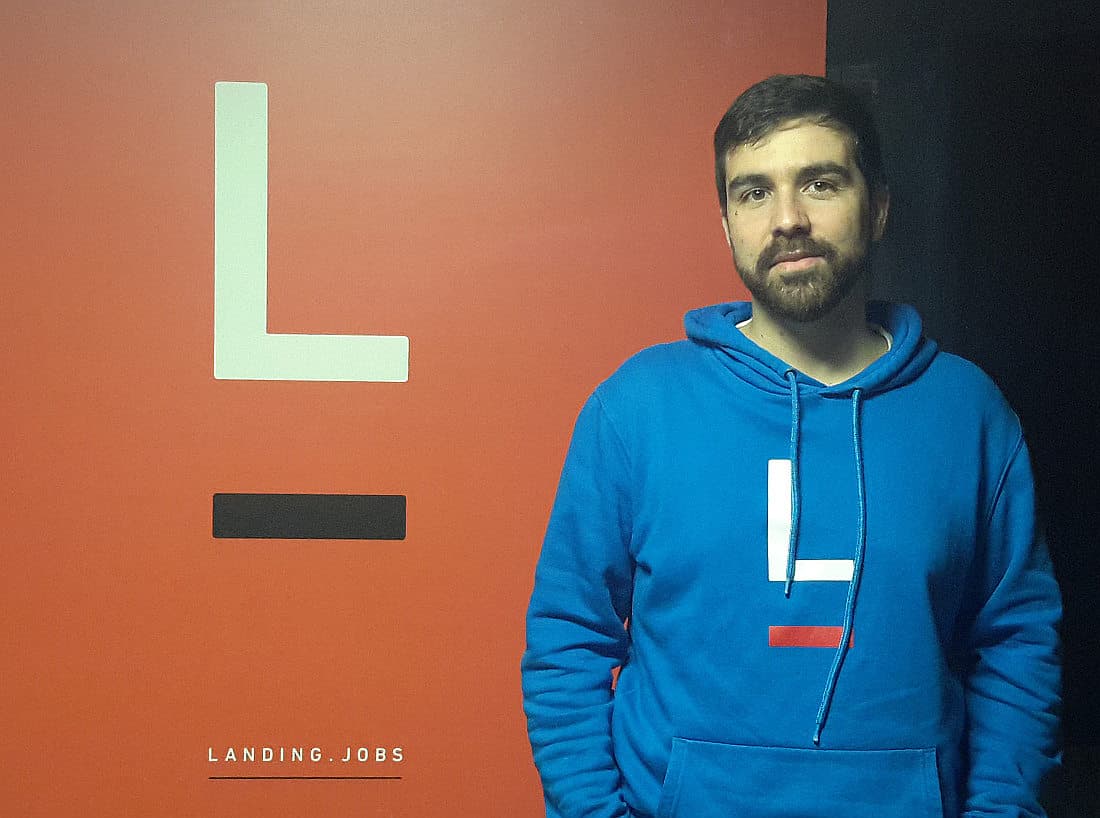
The COVID-19 experience, which forced teams worldwide to work from home, proved that having distributed teams involving high-skilled workers is totally feasible, says an entrepreneur.
In an interview with Via News, Pedro Oliveira, co-founder of Landing.jobs, also said the parties concerned, including governments, have to invest more in reskilling and upskilling low-skilled workers to help protect their jobs.
Landing.jobs is a candidate-driven tech career marketplace dedicated to connecting digital professionals with the right companies across Europe.
Here are excerpts of the interview:
Q: what has been changing in the tech talent world since the coronavirus pandemic, especially when it comes to how talents meet employers?
There has been a bit of a shift in the marketplace. What has happened is that there's less supply of jobs so there are fewer companies hiring.
There's been a lot of hiring freezes, layoffs, or companies just postponing and sometimes even canceling hires that they had already committed to.
So there's a bit of a downsize on the supply side, which is the jobs, and also there's more active talent available in the market. I'll explain the difference between active and passive talent.
Passive talents are people that are employed in companies and are not actively looking for a new role in another company.
What happened after COVID-19 is that not only is there is less supply of jobs but also, from the talent side, the passive talent is even more passive.
So the people who have jobs are sticking to it, but, on the other hand, there are more people actively looking for jobs.
It's not gonna be harder for companies to attract talent unless it's really top talent, but it's gonna be harder for them to evaluate the talent.
So I think that's the biggest change in the tech talent market we have observed since COVID-19.
Q: What are employers looking for at the moment. Have their expectations changed?
With the ones we are working with and the ones still hiring, it's pretty much the same. It's just that they know they have more bargaining power when it comes to things like salary negotiations.
So companies know they have the upper hand, especially when dealing with people who have been recently laid off.
That's the state of the market at the moment, but there's not been a big change in terms of how things get done.
Q: Many people are working remotely now. Do you think it is a real trend or is it just a temporary one that has come out of necessity?
We've surveyed our client base and a big chunk of them—over 30 percent—said they are gonna change their remote work policies during and after COVID-19. We're gonna do the same at our company.
From the talent side of things—and I'm just focusing on high-skilled workers—we've basically proven that it's still possible to do a lot of work while working remotely.
Obviously, there's a lack of efficiency or effectiveness of working from home now due to the current situation, from a mental perspective and also because some people have their kids at home or have only a temporary office space at home like me.
So we do understand that but definitely, the market is gonna change. I strongly believe that, and we are there to support that change.
Q: Apart from remote working, what are some trends that will come out of this situation. How do you see the future of work in general?
I always have a positive view of the future of work. I believe we proved with this that we can have distributed teams, and I'm talking about high-skilled workers.
Things will change. So companies are gonna introduce changes, and this means that high-skilled talent will be able to move out of big cities and have a better quality of life while earning the same amount of money.
Also, they will be able to work fewer hours, like four days a week, or work in a place where costs are lower. So high-skilled talent wins.
On the other side, we have low-skilled workers who were already under pressure from the automation and digitalization in the workplace.
I think we—I mean individuals, companies, and governments—are gonna have to invest a lot more in reskilling and upskilling these people, otherwise, they will lose their jobs.
Q: Would you please share some tips with us about remote working. How can it be made more effective?
Empathic communication is really important. So be understanding of people who are going through a tough period.
And when you communicate to them, both orally or in the written format, say what you want to say in a simple, direct manner.
I reckon this is easier in certain cultures compared to others. For instance, it might be easier for a Dutch person to be more direct and straightforward than let's say a Portuguese person.
But we have to make that jump you. I think just being aware of this issue is the first step. At the same time, we have to be understanding of others.