
Period Poverty and Struggle for Adequate Menstrual Products
Loannie Dao
January 19, 2018
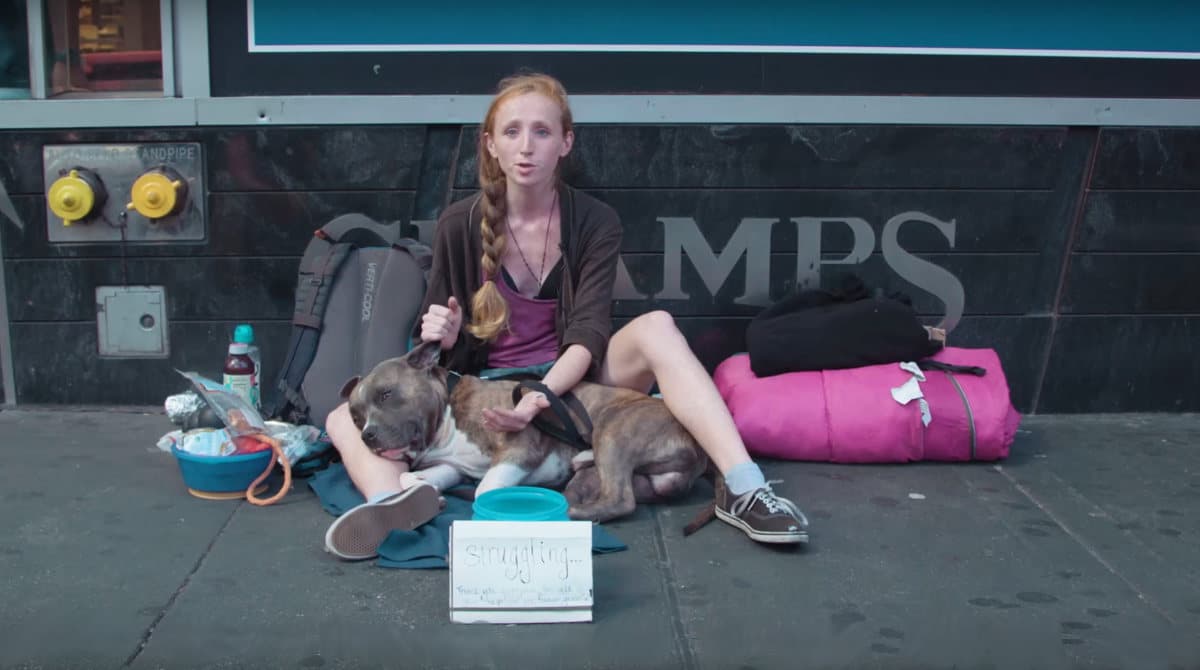
NEW YORK (ViaNews) – Millions of women and girls living in poverty are placed in a crisis situation every month when they get their periods. For this select population, gaining access to sanitary products becomes a balancing act, forcing them to choose between food or hygiene.
According to Jennifer Weiss-Wolf, author of Periods Gone Public: Taking a Stand for Menstrual Equity, the ability to access sanitary products affects a person’s freedom to work and study, to be healthy, and to participate in daily life with basic dignity. Period poverty is the lack of access to sanitary products due to financial constraints. While the United Nations has recognized menstrual hygiene as a human-rights issue, for millions of women and girls the problem is far from achieving a resolution. The issue is a reality for millions of women and girls, not just in developing countries but in the most unexpected nations such as the United States and the United Kingdom.
In recent years, the US and the UK are shedding light on the problem. A survey by Plan International found that one in ten women and girls ages 14 to 21 are not able to afford sanitary products. Further, the average cost per package of pads and tampons in the US are $5.84 and $7.62 respectively. Comparatively, according to Feeding America, the average cost of a basic meal is $2.94. These figures show that the cost of providing sanitary products are typically higher than what most people fork up for an average meal.
The lack of access to adequate menstrual hygiene care is not just a human-rights issue but a global public health problem. For instance, complications in health arise when women and girls do not have the resource to change their tampons often, causing them to wear them for too long, resulting in infections, and leading to toxic shock syndrome. Caused by bacterial toxins that affect menstruating women, toxic shock syndrome is a condition commonly seen in those who use super-absorbent tampons.
The female body responds with a sharp drop in blood pressure that deprives organs of oxygen and can lead to death.
Women alone are already at a disadvantage when it comes to equal access to basic needs. In the US alone, nearly 39.7% of all homeless people are women and almost 50,000 women are unsheltered and living in the streets. It is no surprise that the most vulnerable population are homeless women. For many, the topic of menstruation is a taboo subject, making it difficult to ask for help when it is needed. Weiss-Wolf writes that low-income teenage girls often experienced embarrassment about their first periods and have a desire to know more about the process of menstruation. The study also shows that low-income girls in the United States are unprepared for puberty and have largely negative experiences in their transition which perpetuates the stigma. In many regions, menstruating girls drop out of school due to the stigma of menstruation and/or a lack of resources. Even in today’s age, girls are missing school every month because they cannot afford sanitary products.
Because period poverty is an unavoidable matter for many women and girls, advocates are pushing for change. In the past year, a proposal to remove the “tampon tax” has been introduced in the state of New York. The state legislature recently approved a bill to remove all taxes on menstrual products and Governor Cuomo is expected to sign the bill into law. Additionally, in 2016, Mayor Bill de Blasio signed legislation to make menstrual products accessible in all New York City public schools, shelters and jails free. The plan will further ensure that menstrual products are readily available to nearly 23,000 women and 300,000 girls. According to the city council, the pass will solidify New York City as the first municipality in the nation to proactively guarantee access to menstrual hygiene products.
https://www.youtube.com/watch?v=ABch4VYOJZ0