
Government to Take Preventive Measures While Turkish Lira Continues to Depreciate in Value
Ozge Guzel
May 16, 2018
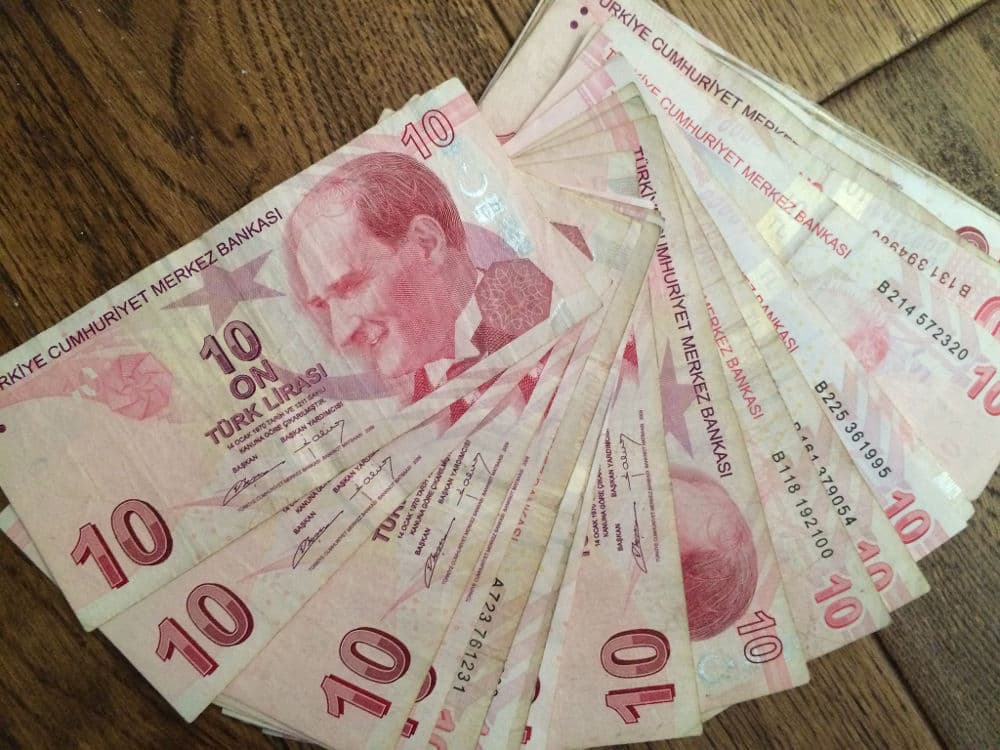
ANKARA, Turkey (ViaNews) - On Wednesday, Turkey’s presidency held an emergency meeting with top economic advisors and said that they would take measures to reduce interest and exchange rate pressures and prevent the Turkish lira’s record low slide after losing its value against other currencies, a wake up call for high inflation.
FT writer Laura Pitel in relation to the issue wrote: “the currency to rebound to 4.29 against the dollar as investors bet that the Turkish central bank would call an emergency meeting and announce another rate increase just weeks after it raised its key rate by 75 basis points.”
Nihat Zeybekci, the Minister of Economy, emphasized the Turkish economy is in good condition and added:
“Recent geopolitical developments have a global and regional impact on the Turkish economy. Our government keeps doing its best to avoid the negative effects of these developments. Currently, we are rapidly progressing in terms of export, employment, investment, tourism and macroeconomic indicators. Despite all improvements in the economy, exchange rates are still absurdly high.”
He went on saying that “high exchange rates are negatively affecting our struggle with high inflation as well. Yet, the Turkish economy has indeed come a long way. We will never live through those rough times again”
The value of the Turkish lira went down to record lows against the dollar and euro as a result of rising global geopolitical risks after United States President Donald Trump decided to pull his country out of the international nuclear deal with Iran on May 8. One dollar was worth 3.78 Turkish lira approximately at the start of the year the recent number it went up to 4.37 in dollar and 5.15 in euro. The Turkish lira has dropped 2.7 percent since the start of this week, Reuters reported on May 9.
Another statement in relation to the recent economic situation in Turkey came from the Prime Minister Yildirim, after a cabinet meeting on May 11. He announced that the regulations concerning debt restructuring such as premium and tax amnesty, retirement grant, amnesty for zoning violation were presented to the parliament. The estimated cost for the regulation will be approximately 24 billion Turkish lira.
HDP, the Kurdish opposition party, Co-Chair Temelli criticised this regulation in a meeting with non-governmental organizations in Diyarbakir. He specifically commented on the upcoming regulation regarding tax amnesty:
“Over the last 6 years, the Turkish economy has been damaged by billions of dollars of tax amnesty costs. Deficit spending is soaring. Department of Treasury is rapidly becoming indebted and this causes high-interest rates. Companies, too, run into foreign debt thus the exchange rates keep increasing. The president keeps mentioning interest and exchange lobbies. Financial facts and governmental statements contradict each other. The economy is going worse because the government is ignoring financial/economic facts. Now once again they are declaring that they will offer regulations concerning tax amnesty for artisans.
Today in Turkey, an amount of 22 billion Turkish lira of tax delinquency (tax that is unpaid after the payment expected date) belongs to only SME financing. The artisan is struggling to survive. The government once again is trying to manipulate the elections and driving the economy into a deeper economic crisis.”