
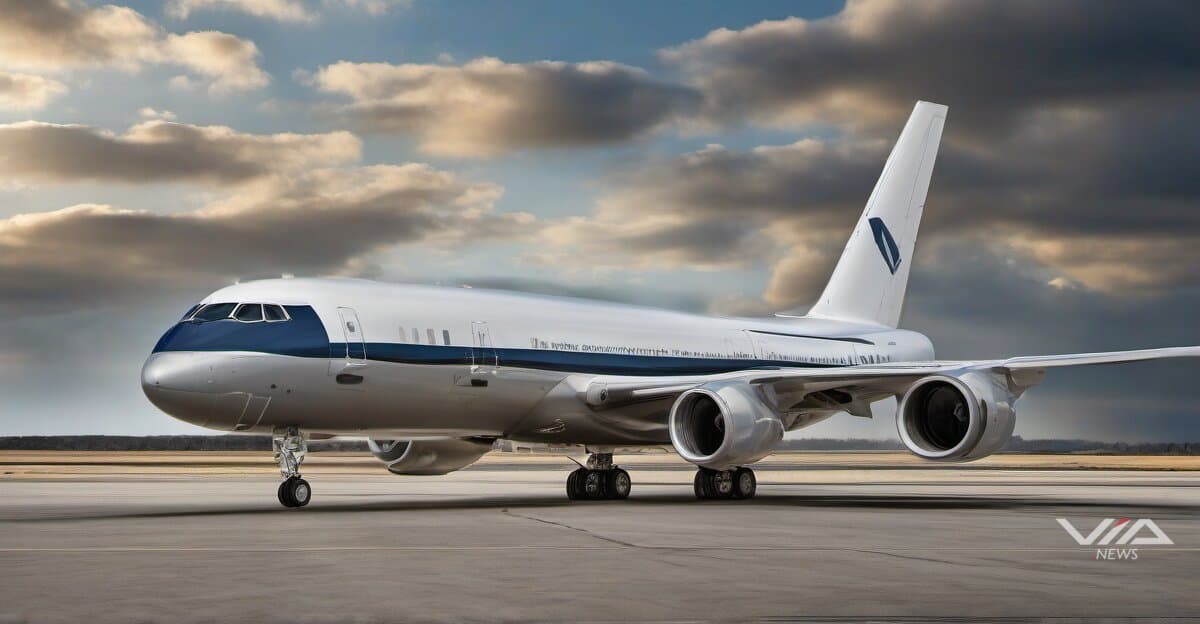
Commercial aerospace revenue grew 13% in Q4 2025 and 12% for the full year, driven by airlines across Europe, Asia, and North America replacing aging fleets with fuel-efficient aircraft. Defense aerospace revenue climbed 20% in Q4 as NATO countries expanded military budgets and accelerated modernization programs following increased geopolitical tensions.
Gas turbine revenue surged 32% in Q4 and 25% for the full year, reflecting power generation upgrades in emerging markets and industrial expansion across developed economies. The dual growth trajectory positions global component suppliers for sustained revenue expansion as airlines renew fleets and governments fund defense upgrades through 2027.
Component cost inflation has stabilized worldwide, with suppliers reporting no new price pressures in raw materials or parts. Pricing increases implemented earlier in 2025 have held across international markets, allowing aerospace manufacturers to maintain margins while meeting elevated order volumes from customers spanning five continents.
The aerospace rally stems from two global demand drivers: airlines replacing pre-pandemic aircraft to cut fuel costs, and defense contractors restocking depleted inventories after military aid shipments to conflict zones. Boeing and Airbus delivery schedules through 2026 remain fully booked, creating revenue visibility for tier-one and tier-two suppliers operating across North America, Europe, and Asia.
Aerospace stocks have outperformed broader industrial indices by 18 percentage points over the past 12 months, though valuations now exceed 25x forward earnings for leading component makers. Investors are paying premiums based on expectations that defense spending will remain elevated across NATO and Pacific allies, while commercial aviation demand strengthens as business travel recovers to pre-pandemic levels globally.
The Q1 2026 order book will test whether growth can sustain current valuations. Key metrics include new defense contracts from European and Asian governments, Airbus A320 production rates, and Boeing 737 MAX delivery timelines. Analysts expect aerospace revenue growth to moderate to 8-10% in 2026 as comparisons toughen, but order backlogs extending into 2027 provide earnings visibility for investors focused on global capital expenditure trends.
Sources:
1 Globe Newswire, "ROSEN, TOP-RANKED INVESTOR COUNSEL, Encourages Soleno Therapeutics, Inc. Investors to Secure Counsel" (March 23, 2026)
2 Nasdaq, "Renewed Consolidation Likely For Thai Stock Market" (March 23, 2026)
3 News Report, "Napco signals $99M recurring revenue run rate through Q2 growth and new leadership" (February 02, 2026)
4 Yahoo Finance, "NAPCO Security Technologies Q2 Earnings Call Highlights" (February 02, 2026)
5 Yahoo Finance, "FutureGen Industries Announces Open Market Investments" (March 23, 2026)