
Sunday, September 27, 2026

US insurer ACES launches with $30M capital for hurricane markets as global reinsurance costs surge 35-50%

ACES Specialty Insurance will underwrite commercial property risks in Florida, Texas, and South Carolina with $30 million in capital as global reinsurance rates climb 35-50% for the third consecutive year. The modest capital base faces concentration risk in hurricane-exposed markets where single events can generate $50 billion in industry losses.

US insurer ACES launches with $30M capital for hurricane markets as global reinsurance costs surge 35-50%
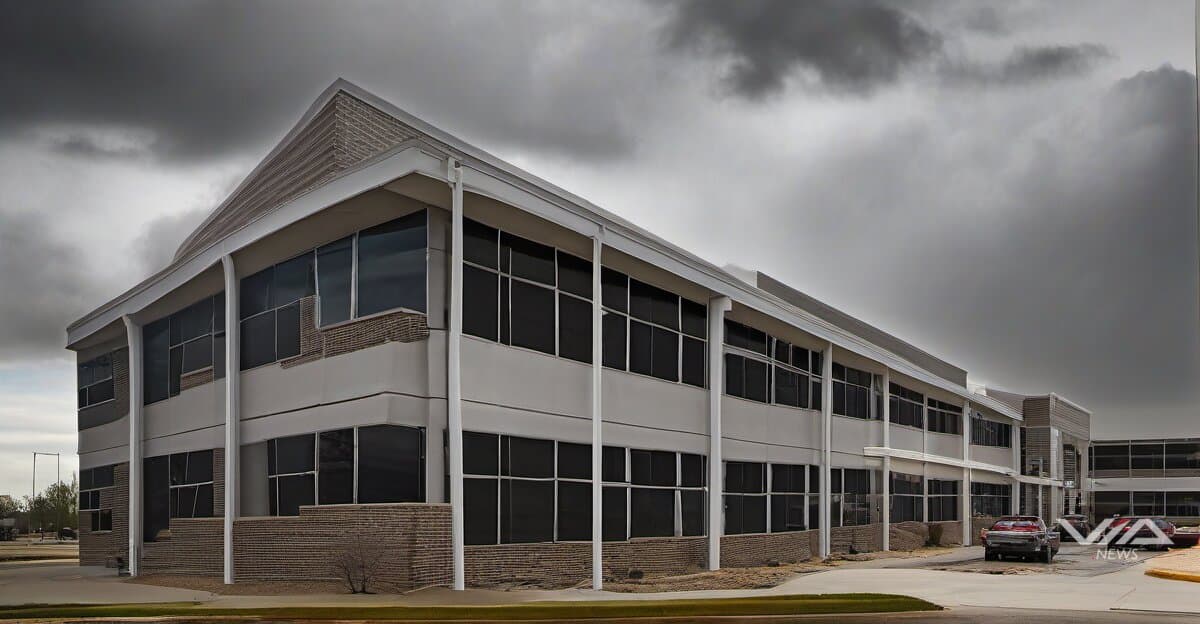
Image generated by AI for illustrative purposes. Not actual footage or photography from the reported events.

ACES Specialty Insurance Company will enter US catastrophe-prone markets with $30 million in policyholder surplus, targeting commercial property risks in Florida, Texas, and South Carolina as global reinsurance costs surge 35-50% at January 2026 renewals.

The American Coastal subsidiary faces concentration risk in markets that absorbed major losses recently. Florida's Hurricane Idalia generated $3.8 billion in insured damages in 2023, while Texas severe convective storms exceeded $4 billion in spring 2024. A single major Florida hurricane could produce $50 billion in industry losses.

Global reinsurance markets complicate the launch. January 2026 marked the third straight year of double-digit rate increases, with catastrophe bond spreads remaining 300-400 basis points above pre-2023 levels. These conditions mirror pressure on specialty insurers worldwide as climate-related losses mount.

Industry analysts consider the $30 million capital modest given geographic concentration. Specialty carriers typically maintain 3:1 or 4:1 premium-to-surplus ratios to absorb multiple events per season. ACES must manage gross line sizes carefully to avoid surplus depletion from a single severe weather event.

The US excess and surplus lines market reached $82 billion in gross written premiums in 2025, attracting new capital despite challenging conditions. Property rates in standard admitted markets stabilized after three years of increases, pushing more risks into E&S channels where capacity remains constrained globally.

ACES competes with established specialty carriers including Skyward Specialty, Incline P&C, and Ryan Specialty's operations. These competitors operate with larger capital bases, established reinsurance relationships, and diversified geographic footprints reducing concentration risk.

Success depends on disciplined underwriting, effective reinsurance structuring, and securing additional capital if catastrophe losses materialize during the 2026 Atlantic hurricane season. The National Oceanic and Atmospheric Administration projects another active season following record-breaking 2024 activity.


Sources:
1 Yahoo Finance, "American Coastal Insurance Unveils AmRisc E&S Expansion, Launches ACES, Sets 2026 Guidance" (January 14, 2026)

In this story · Knowledge Files

What we know · the intelligence behind this page
Live from the substrate
What we're seeing
Vertical AI Agents Attract a Funding Wave Across Fintech-Adjacent Industries
A cluster of AI-native startups applying autonomous agents to narrow, operational problems — hotel front-desk staffing (Dextr AI), identity/fraud risk for financial institutions (Baselayer), insurance distribution (Napo, Connie Health, MGT Insurance) — closed seed-to-Series A rounds within days of each other in September 2026, with CB Insights running a coordinated CEO interview series to spotlight them. The pattern points to agentic AI maturing from generic chat tools into vertical, revenue-generating products, with identity verification for AI agents themselves (Baselayer) emerging as a new fintech infrastructure category responding directly to AI-driven fraud risk.
Our read on the data ›
Signals we're tracking
Satellite-Terrestrial Network Integration Acceleration
Increased investment and launches in hybrid satellite-cellular networks across telecom industry; competitive responses from other carriers; regulatory activity around satellite spectrum; expansion of emergency/rural connectivity use cases
Patterns we're watching ›
Where sources disagree
ING Group
Both facts record the same metric (shares_outstanding) for ING Group at the identical observation date (2025-12-31). FACT A states 2,902,437,688 shares; FACT B states 2,902 million shares (2,902,000,000). The difference is 437,688 shares (~0.015%). This is a genuine value conflict, though the discrepancy appears to result from FACT B rounding to the nearest million while FACT A provides the precise count.
We flag conflicts openly ›
Recently verified
✓ Checked against the original source
4,984
facts traced to their source — and we flag the ones that don't hold up.
101 entities tracked4,984 facts checked against source5,306 source documents archived
Query this data → isubstrate.com