
The coronavirus pandemic shook things up in the education sector and gave it a much-needed shock treatment, says a university professor, who believes that an online education model bears the best fruits if used in combination with traditional classroom-based courses.
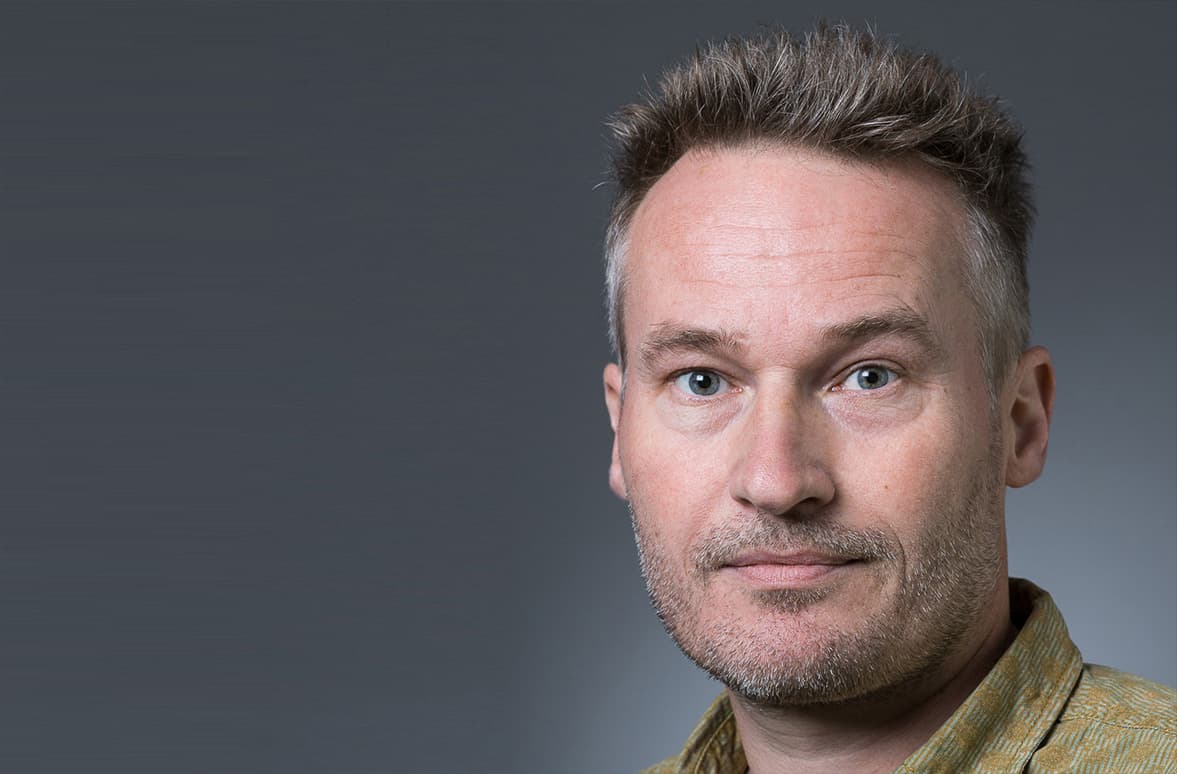
"It has really been a shock therapy because many teachers had not wanted to use digital media in their classes so they had no knowledge about using Zoom or other media," Jesper Tække, an associate professor at Aarhus University, Denmark, told Via News when asked about the impact of COVID-19 on the field of education.
Jesper, who has a Ph.D. in media sociography from the IT University of Copenhagen, works at the Centre for Internet Research at the School of Communication and Culture.
His research field is digital media, and he has done extensive research and implemented several projects in the area of social media with a special focus on education.
He says the outbreak of the coronavirus, which led to the suspension of face-to-face classes all over the world, put teachers through a rough time. "It provided teachers with some training in using digital media so maybe teachers will become a little bit better at using them when they are teaching."
Use of Digital Media
Jesper says the findings of his research over the years show that integrating the use of social and digital media into the teaching experience can go a long way toward a better learning experience.
Citing an example, he said they were contacted by a secondary school in Denmark and the situation there was studied as part of the social media education project that he had been involved in.
"We saw that the students were very distracted by others' and their own use of digital media. The teacher didn't know what to do, and the students did not know what to do either."
Elaborating further, Jesper said it takes time for new social norms and standards to be developed when a new communication medium is introduced into society.
"So we had this lack of norms, and the reaction from the schools was either to forbid the use of media or ignore what was happening."
He argues that neither of these approaches are constructive as they impede the development of the necessary norms and didactics.
"In the social media education project, we prohibited the teachers from prohibiting the use of any type of media or ignoring media use. Instead, we said that they should try to initiate reflexivity about the use of the medium in question. We also suggested that teachers use social media within their teaching context."
Read more: Universities, Businesses in Portugal Need to Forge Closer Ties
Jesper added that the teachers participating in the research were asked to use different tools, especially Twitter, in their classes and a new written interaction mechanism was developed to be used in parallel with the oral interaction system.
"For example, if they were watching a movie in the class, every student would have Twitter on their screen. Then they would watch the movie, discuss it, ask each other questions about the plot and the characters and what was happening, and the teacher would help them with questions and answers. This helped create an analytical community."
Afterward, all the students had the tweets as notes and could use them when they had to write about the movie, the researcher added.
"In other classes, many of the students tended to play computer games, buy shoes, do homework for other classes, sleep, or pay no attention to the movie at all. But in this teaching design with Twitter, all the students were active and were making shared notes while watching the movie."
Balance Is Key
Jesper explained that this is a good example of the successful integration of digital and social media into a physical classroom that can result in the development of the required norms and standards.
Read more: Businesses Need to Nurture a Human Touch in Virtual Workplace
In addition, he said most researchers have never been in favor of moving the entire teaching process to online platforms but the coronavirus experience has been an exceptional one.
"At this corona time, it's very clear that it is not very good to just have online education. I think the biggest problem is that that you will have no real commitment on the part of the learner," Jesper said, adding that seeing the teacher face to face and receiving feedback in a physical environment enhances the learning experience.