
A negative connotation is often associated with the word "opportunistic" but it is a great attribute that can prod a company into action and pays off in the long run, says the co-founder of Nerd Monkeys.
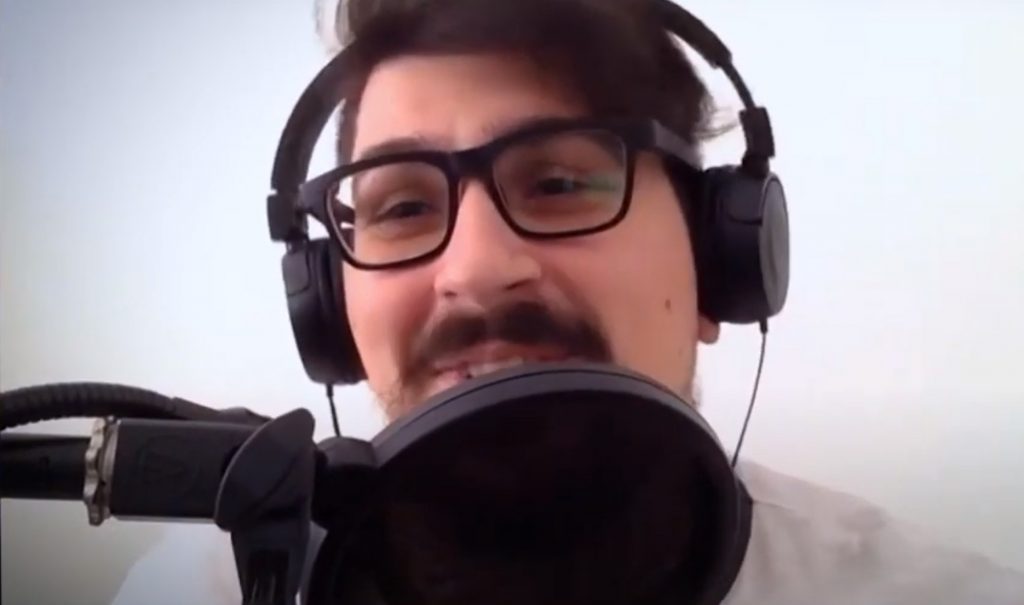
In an interview with Via News, Diogo said business owners should develop this characteristic while being careful not to veer away from their values and principles.
"Startups should aspire to not only survive but to thrive on opportunities that might show up as a result of the current situation. I know it sounds opportunistic, but, as a business, you have to think a little bit like."
Founders should explore all possible avenues to make the best of the new reality with the right mindset, added the Lisbon-based entrepreneur, who is working in the video game design industry.
Prospects for Startups
When asked how he sees the future of the startup community in Europe, Diogo said a large number of the startups that were heavily reliant on the economy are very likely to die.
"It's easy to create a business, but it's hard to maintain it and it's even harder to maintain it during a pandemic and while you are dependent on many things," he said, adding that it is a difficult task to accomplish for many small and medium enterprises who do not have government support.
In Diogo's opinion, governments will be mainly directing their financial support toward key industries and companies that have already established themselves as promising enterprises.
"But I think there should be more support for founders who have launched a company for the first time and are now caught up in this terrible experience," he commented.
Mindset Shift
The co-founder of Nerd Monkeys believes that the coronavirus outbreak and its fallout have made most entrepreneurs revisit their decisions and have prompted them to introduce the necessary changes to their business models or strategies.
"They will begin with a very different mindset after this phase is over. They will be cautious and alert," he said, adding that he sympathizes with people who have lost their business or big deals over the past few months.
Read more: Coronavirus Made Startups Get Real About Their Business Models: Virtuleap’s CEO
Diogo argues that one of the best lessons that startups can learn from this period in history is to stop counting on external financial support.
"And make sure that you create a business that's prepared for worst-case scenarios," he told fellow founders.
Getting Help
In addition, the young entrepreneur said business owners should not hesitate to seek the help of more experienced people even if they are working in a totally different industry.
"Don't be afraid to ask help from someone that is way more experienced or much older than you. Sometimes you may feel that their advice won't apply to you because your products or services are completely different than theirs. But many issues in the field of business have the same root."
Read more: Mentors Can Steer Startups Through COVID-19 Pandemic: eParkio CEO
It may initially seem weird to ask them for their opinion and trust them but it would be "extremely useful" to consult with them and learn from them, Diogo said, adding that he would be happy to share his experience with those who are interested.