
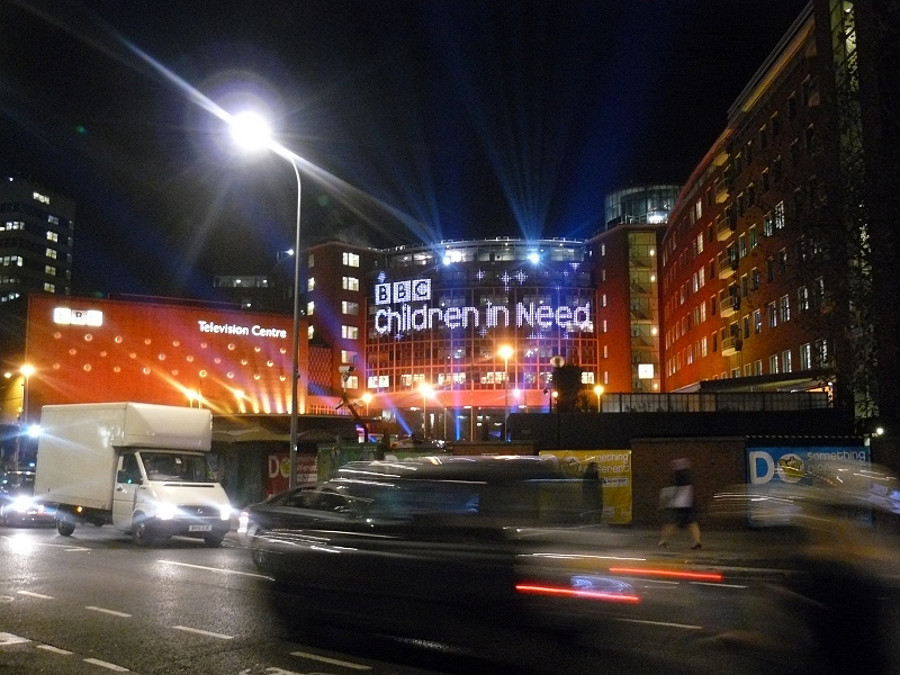
 BBC Television Centre. Photo by: Mike Fleming.[/caption]
Hall feels that it is up to UK TV programmers to fill the gap in these fields, as well as retaining the mass appeal, high-quality programming for which the BBC is known. An IPSOS Mori poll, commissioned by the BBC, highlighted the way Britain is becoming socially more liberal, more diverse and culturally wide, but also stressed the similarities – freedom of speech, a sense of humour and fair play – that Britons share.
Programming should reflect and celebrate those characteristics.
But financially, says Hall, the BBC is no longer a big player in global terms. Although Britain’s output is second only to that of the US, it lags far behind, and currently, it seems as though the funding gap between big US corporations and British programme makers is unbridgeable.
However, it is not all bad news. While some younger people have turned away from traditional broadcasting, and watch exclusively using on-demand services, most viewers remain committed to the likes of the BBC, ITV and Channel Four, using these channels for the majority of their viewing.
The top five shows this year, in terms of audience in the UK, are all British. They are One Love Manchester, Broadchurch, Britain’s Got Talent, Sherlock and Strictly Come Dancing; and the future can still be rosy, says Hall, if the BBC and other programme makers continue to back new ideas and innovate.
While they might not have the funds to compete on the mega-projects the on-demand programmers are following, they can fill the gaps left with creative and interesting programmes. The role of BBC studios, the corporation’s new production arm which makes programmes for all broadcasters, and the position of BBC Worldwide in generating new income are at the heart of this challenge.
Hall says that the BBC must continue to be the ‘bastion of brilliant British content’, but to do this the corporation must adapt.
But if it can do this, we can look forward to a ‘new golden age for British production.’
BBC Television Centre. Photo by: Mike Fleming.[/caption]
Hall feels that it is up to UK TV programmers to fill the gap in these fields, as well as retaining the mass appeal, high-quality programming for which the BBC is known. An IPSOS Mori poll, commissioned by the BBC, highlighted the way Britain is becoming socially more liberal, more diverse and culturally wide, but also stressed the similarities – freedom of speech, a sense of humour and fair play – that Britons share.
Programming should reflect and celebrate those characteristics.
But financially, says Hall, the BBC is no longer a big player in global terms. Although Britain’s output is second only to that of the US, it lags far behind, and currently, it seems as though the funding gap between big US corporations and British programme makers is unbridgeable.
However, it is not all bad news. While some younger people have turned away from traditional broadcasting, and watch exclusively using on-demand services, most viewers remain committed to the likes of the BBC, ITV and Channel Four, using these channels for the majority of their viewing.
The top five shows this year, in terms of audience in the UK, are all British. They are One Love Manchester, Broadchurch, Britain’s Got Talent, Sherlock and Strictly Come Dancing; and the future can still be rosy, says Hall, if the BBC and other programme makers continue to back new ideas and innovate.
While they might not have the funds to compete on the mega-projects the on-demand programmers are following, they can fill the gaps left with creative and interesting programmes. The role of BBC studios, the corporation’s new production arm which makes programmes for all broadcasters, and the position of BBC Worldwide in generating new income are at the heart of this challenge.
Hall says that the BBC must continue to be the ‘bastion of brilliant British content’, but to do this the corporation must adapt.
But if it can do this, we can look forward to a ‘new golden age for British production.’ BBC Must Adapt to Thrive
Peter Bird
November 4, 2017
London, UK (VIAnews) - The future of BBC programming is becoming increasingly uncertain as viewers change their watching habits in the light of increases for on-demand programming.
Tony Hall, the Head of the BBC, spoke in Liverpool highlighting the way the industry is moving, with more and more investment in US-based programmes, and ever less for those made in the United Kingdom.
Netflix, Amazon and Apple will work on increasingly narrow and focussed projects, which they can sell globally. Hall said that the £100 million investment made by Netflix in the British period drama, The Crown, is the exception rather than the rule.
And funding for British programmes is likely to drop by £500 million over the next ten years.
‘We have to face the reality that the British content we value and rely upon is under serious threat’, he said, delivering the Roscoe Lecture at Sir John Moore’s University.
Although programmes such as Doctor Who, Sherlock, Strictly Come Dancing and Britain’s Got Talent are recognised as leaders in their fields and attract worldwide interest and sales, the diversity of what the BBC can offer will be reduced if the Corporation does not adapt to the changing scenario of the broadcasting world. And even the big hitters listed above could be threatened if the situation is not addressed.
‘The reality is that their (Netflix and so forth) investment decisions are likely to focus increasingly on a narrow range of very expensive, very high-end content – big bankers that they can rely on to have international appeal,’ said Lord Hall, the Director-General.
The BBC commissioned a report by the media group Mediatique which provided the findings. This suggests that while the likes of BT and Sky have invested significantly in sport, other areas of programming are beginning to flounder. These include those making religious, scientific and historical content.
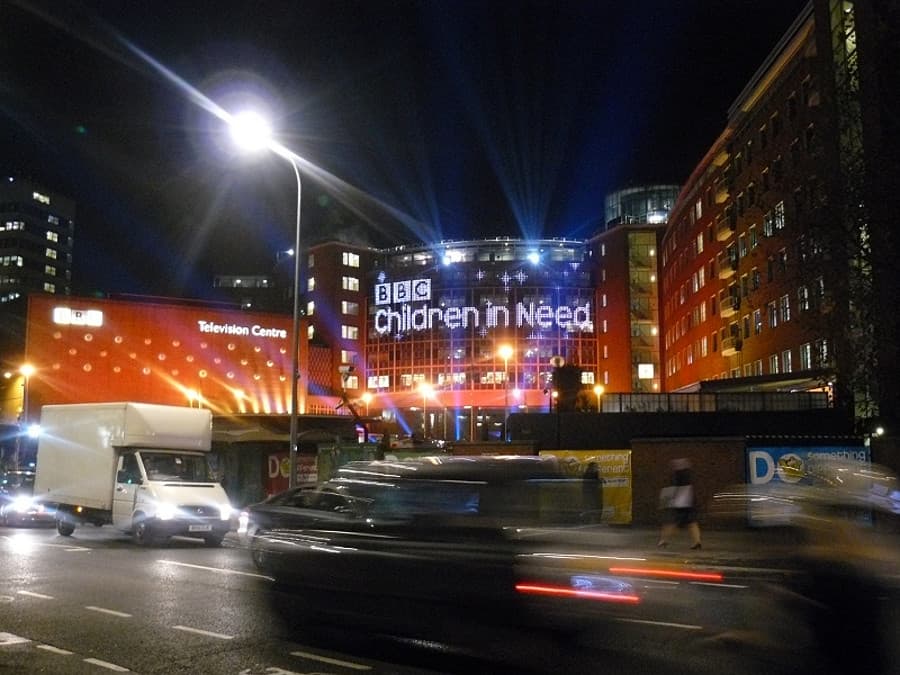
[caption id="attachment_2847" align="aligncenter" width="900"] BBC Television Centre. Photo by: Mike Fleming.[/caption]
Hall feels that it is up to UK TV programmers to fill the gap in these fields, as well as retaining the mass appeal, high-quality programming for which the BBC is known. An IPSOS Mori poll, commissioned by the BBC, highlighted the way Britain is becoming socially more liberal, more diverse and culturally wide, but also stressed the similarities – freedom of speech, a sense of humour and fair play – that Britons share.
Programming should reflect and celebrate those characteristics.
But financially, says Hall, the BBC is no longer a big player in global terms. Although Britain’s output is second only to that of the US, it lags far behind, and currently, it seems as though the funding gap between big US corporations and British programme makers is unbridgeable.
However, it is not all bad news. While some younger people have turned away from traditional broadcasting, and watch exclusively using on-demand services, most viewers remain committed to the likes of the BBC, ITV and Channel Four, using these channels for the majority of their viewing.
The top five shows this year, in terms of audience in the UK, are all British. They are One Love Manchester, Broadchurch, Britain’s Got Talent, Sherlock and Strictly Come Dancing; and the future can still be rosy, says Hall, if the BBC and other programme makers continue to back new ideas and innovate.
While they might not have the funds to compete on the mega-projects the on-demand programmers are following, they can fill the gaps left with creative and interesting programmes. The role of BBC studios, the corporation’s new production arm which makes programmes for all broadcasters, and the position of BBC Worldwide in generating new income are at the heart of this challenge.
Hall says that the BBC must continue to be the ‘bastion of brilliant British content’, but to do this the corporation must adapt.
But if it can do this, we can look forward to a ‘new golden age for British production.’
BBC Television Centre. Photo by: Mike Fleming.[/caption]
Hall feels that it is up to UK TV programmers to fill the gap in these fields, as well as retaining the mass appeal, high-quality programming for which the BBC is known. An IPSOS Mori poll, commissioned by the BBC, highlighted the way Britain is becoming socially more liberal, more diverse and culturally wide, but also stressed the similarities – freedom of speech, a sense of humour and fair play – that Britons share.
Programming should reflect and celebrate those characteristics.
But financially, says Hall, the BBC is no longer a big player in global terms. Although Britain’s output is second only to that of the US, it lags far behind, and currently, it seems as though the funding gap between big US corporations and British programme makers is unbridgeable.
However, it is not all bad news. While some younger people have turned away from traditional broadcasting, and watch exclusively using on-demand services, most viewers remain committed to the likes of the BBC, ITV and Channel Four, using these channels for the majority of their viewing.
The top five shows this year, in terms of audience in the UK, are all British. They are One Love Manchester, Broadchurch, Britain’s Got Talent, Sherlock and Strictly Come Dancing; and the future can still be rosy, says Hall, if the BBC and other programme makers continue to back new ideas and innovate.
While they might not have the funds to compete on the mega-projects the on-demand programmers are following, they can fill the gaps left with creative and interesting programmes. The role of BBC studios, the corporation’s new production arm which makes programmes for all broadcasters, and the position of BBC Worldwide in generating new income are at the heart of this challenge.
Hall says that the BBC must continue to be the ‘bastion of brilliant British content’, but to do this the corporation must adapt.
But if it can do this, we can look forward to a ‘new golden age for British production.’
BBC Television Centre. Photo by: Mike Fleming.[/caption]
Hall feels that it is up to UK TV programmers to fill the gap in these fields, as well as retaining the mass appeal, high-quality programming for which the BBC is known. An IPSOS Mori poll, commissioned by the BBC, highlighted the way Britain is becoming socially more liberal, more diverse and culturally wide, but also stressed the similarities – freedom of speech, a sense of humour and fair play – that Britons share.
Programming should reflect and celebrate those characteristics.
But financially, says Hall, the BBC is no longer a big player in global terms. Although Britain’s output is second only to that of the US, it lags far behind, and currently, it seems as though the funding gap between big US corporations and British programme makers is unbridgeable.
However, it is not all bad news. While some younger people have turned away from traditional broadcasting, and watch exclusively using on-demand services, most viewers remain committed to the likes of the BBC, ITV and Channel Four, using these channels for the majority of their viewing.
The top five shows this year, in terms of audience in the UK, are all British. They are One Love Manchester, Broadchurch, Britain’s Got Talent, Sherlock and Strictly Come Dancing; and the future can still be rosy, says Hall, if the BBC and other programme makers continue to back new ideas and innovate.
While they might not have the funds to compete on the mega-projects the on-demand programmers are following, they can fill the gaps left with creative and interesting programmes. The role of BBC studios, the corporation’s new production arm which makes programmes for all broadcasters, and the position of BBC Worldwide in generating new income are at the heart of this challenge.
Hall says that the BBC must continue to be the ‘bastion of brilliant British content’, but to do this the corporation must adapt.
But if it can do this, we can look forward to a ‘new golden age for British production.’