
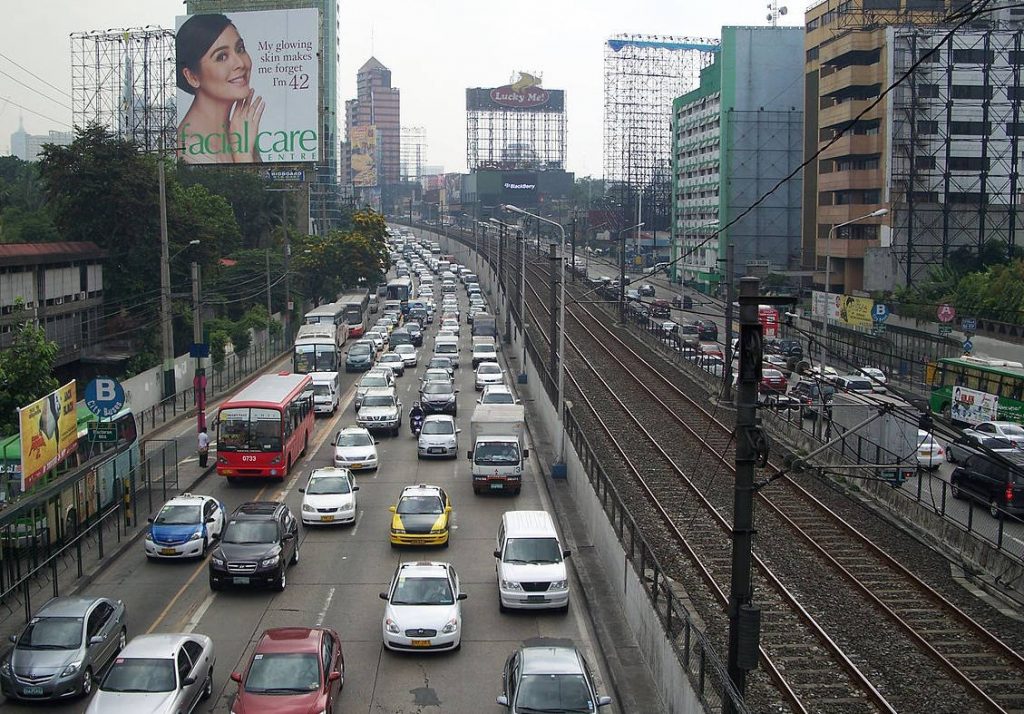
 Heavy traffic on the EDSA in Makati City. Photo by: Scandi.[/caption]
However, motorists have been ignoring the solo-driver ban after the recent suspension. Since no penalty is given to violators of the ban, it comes as no surprise that motorists fail to comply with the policy.
Garcia is also hoping that President Rodrigo Duterte will be convinced about the good impact the policy in solving the city's traffic congestion. He added, once the President fully supports the “driver-only” ban, it would be easier to convince the public.
Heavy traffic on the EDSA in Makati City. Photo by: Scandi.[/caption]
However, motorists have been ignoring the solo-driver ban after the recent suspension. Since no penalty is given to violators of the ban, it comes as no surprise that motorists fail to comply with the policy.
Garcia is also hoping that President Rodrigo Duterte will be convinced about the good impact the policy in solving the city's traffic congestion. He added, once the President fully supports the “driver-only” ban, it would be easier to convince the public.
Philippines: Prohibiting Driver-only Vehicles Along Metro Manila's Highway isn't Working as Expected
Sandra San Carlos
August 25, 2018
MANILA, Philippines (ViaNews) – A new traffic scheme, which was claimed to solve the Metro Manila’s traffic congestion wants to prohibit that driver-only vehicles travel through any of the 23.8 km (14.8 mi) of the Epifanio de los Santos Avenue (EDSA), the most important Highway in the Manila metropolitan area.
After the recent suspension of the Manila Development Authority’s (MMDA) driver-only car ban on EDSA, Filipinos pretty much ignored the dry-run of the new traffic scheme.
The so-called High Occupancy Vehicle (HOV) scheme was supposed to be fully implemented on August 23 after its weeklong dry-run. But MMDA suspended the policy implementation on Friday after a Senate resolution was released ordering an immediate suspension of the implementation.
MMDA’s general manager, Jojo Garcia, said that the new policy will be on hold until the Metro Manila Council (MMC) convenes. But the dry run still continues.
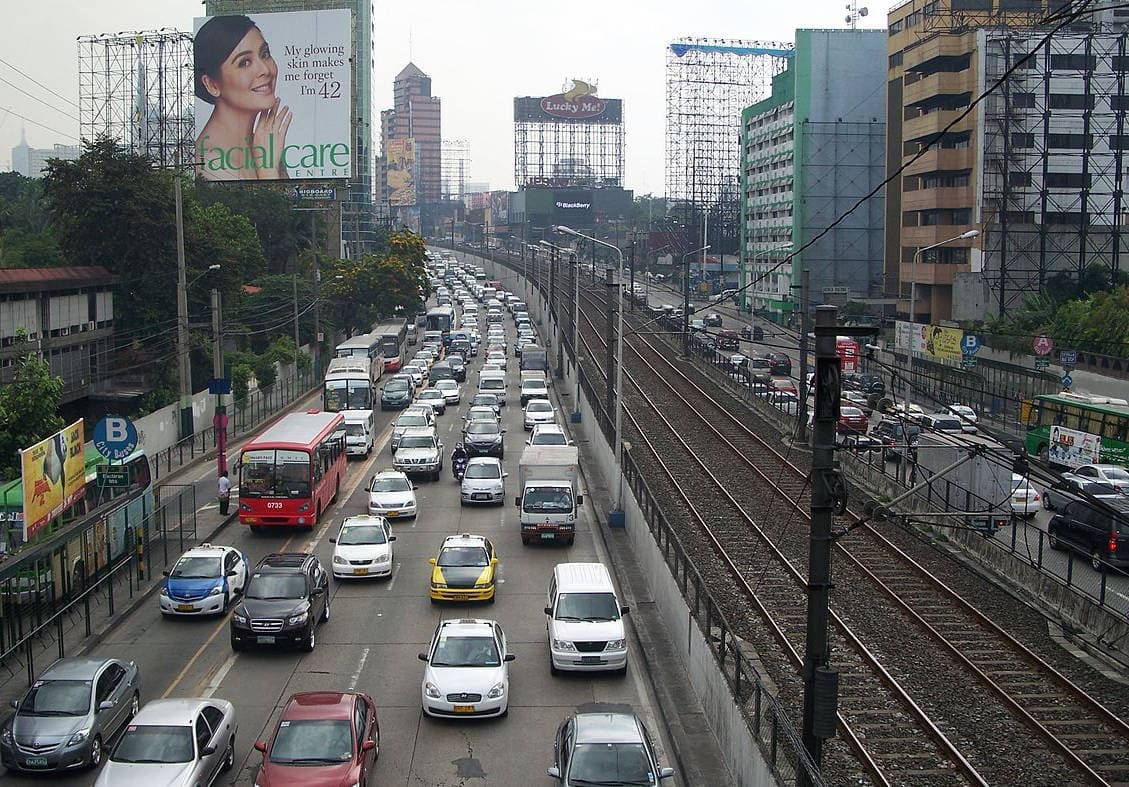
[caption id="attachment_5098" align="aligncenter" width="696"] Heavy traffic on the EDSA in Makati City. Photo by: Scandi.[/caption]
However, motorists have been ignoring the solo-driver ban after the recent suspension. Since no penalty is given to violators of the ban, it comes as no surprise that motorists fail to comply with the policy.
Garcia is also hoping that President Rodrigo Duterte will be convinced about the good impact the policy in solving the city's traffic congestion. He added, once the President fully supports the “driver-only” ban, it would be easier to convince the public.
Heavy traffic on the EDSA in Makati City. Photo by: Scandi.[/caption]
However, motorists have been ignoring the solo-driver ban after the recent suspension. Since no penalty is given to violators of the ban, it comes as no surprise that motorists fail to comply with the policy.
Garcia is also hoping that President Rodrigo Duterte will be convinced about the good impact the policy in solving the city's traffic congestion. He added, once the President fully supports the “driver-only” ban, it would be easier to convince the public.