
Prime Minister of Pakistan Ousted From Office Based on Corruption Charges
Memuna Umber
August 11, 2017
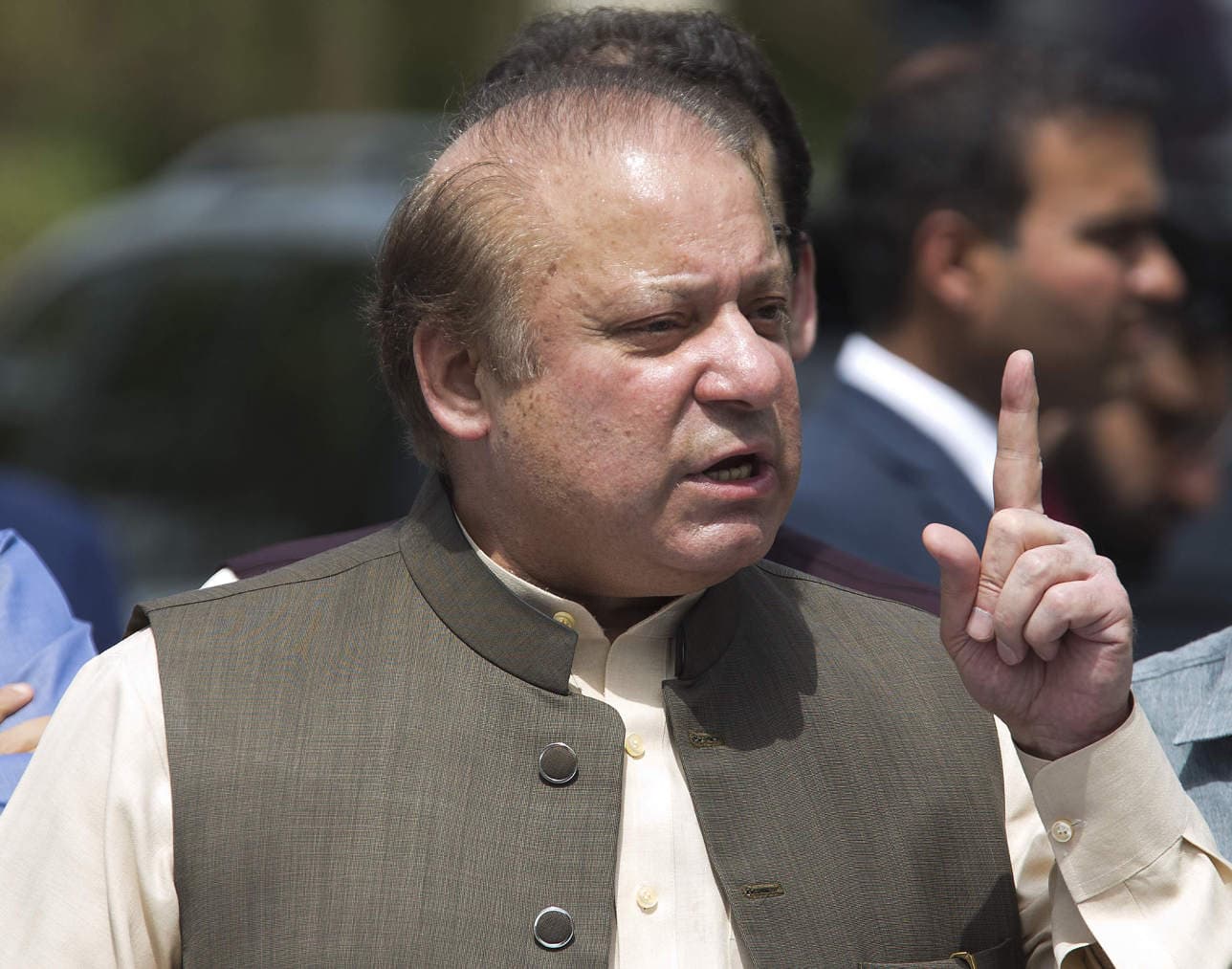
The 18th Prime Minister of Pakistan, Nawaz Sharif, resigned, following a decision from the supreme court disqualifying him from office. Mr. Sharif was just a few months away from becoming the first Prime Minister in Pakistan’s history to complete his full term.
The ruling from the supreme court came following an investigation into the Sharif Family’s wealth that was triggered by the Panama papers Leaked in 2016. The reports linked the children of Nawaz to off-shore companies and ultimately led to his resignation from office.
Nawaz Sharif is not the only one who had to denounce office due to the Panama papers, In April 2016, the Prime Minister of Iceland Sigmaundur David had met a similar fate after he and his wife were revealed to own bonds through an off-shore company. Moreover, scores of other senior office-holders were mentioned in the leaked files as beneficiaries or controllers of off-shore companies.
Mr.Sharif was declared unfit for office because he had not disclosed receivables from a Dubai-based company (owned by his son) in his nomination papers for the general election held in 2013. The panel of 5 judges hearing his case voted unanimously against him.
Ejaz Afzal Khan, one of the judges in the panel hearing Sharif’s cases, declared that Mr. Sharif is not eligible to be “an honest member of parliament”.
The ex-Prime Minister has consistently pleaded himself innocent in the case. He has also expressed “serious reservations” regarding the judicial process.
In a speech after his resignation, the Prime Minister confessed that he felt powerless against the decision of the five respectable judges. He further stated that he does not care for being de-seated, all that worries him is the future of the youth of Pakistan.
Mr. Sharif still continues to have strong public support despite his resignation from office; On 9th August, he started his ‘homegoing’ rally from Islamabad moving towards Lahore. Thousands of people have joined the rally to express their sympathy and support for the ex-Prime Minister. Many see this political mobilization as an “act of force” by the ex-Prime Minister to defend his position. The real agenda behind the rally is yet to unfold.
Addressing the rally, the Prime Minister urged the people to fight for their democratic rights; He stated that for over a period of 70 years since Pakistan’s Independence, No Prime Minister has been allowed to complete their full term; this is not an insult for the Prime Minister, it is an insult to the 200 million people of Pakistan.
Mr. Sharrif has made it clear that he does not want to become Prime Minister of Pakistan again declaring that his self-respect was very dear to him. He said that he just wants to work for the future of Pakistan.
The office has now been taken over by Shahid Khaqan Abbasi, the former Petroleum Minister, who had been nominated by the ex-Prime Minister himself. He will act as the interim Prime Minister until the next elections that are due to be held in 2018.
As for the people, they’re divided amongst two groups. Those who’re with Mr. Sharriff and those who oppose him. The supporters view the verdict of the supreme court as an attack against democracy whereas the opposition considers it as a historic decision that will weed out corruption and pave the way for a better future.