
Parliament spokesman Moloto Mothapo said the governing body “has already begun to overhaul the rules.” “We will ensure that the judgment of the court is fully implemented. Parliament had already begun a process of overhauling the rules we have recently adopted to overhaul the rules to realise [sic] Section 89,” Mothapo told SABC News.ANC says "full implications" of the #Impeachment judgement will be discussed at the NEC's upcoming meeting on the 10th Jan.#SABCNews pic.twitter.com/PQZZZIhUeT
— Aldrin Sampear (@AldrinSampear) December 29, 2017
South African Legislature Must Develop Impeachment Rules for Zuma
Matthew Clark
December 29, 2017
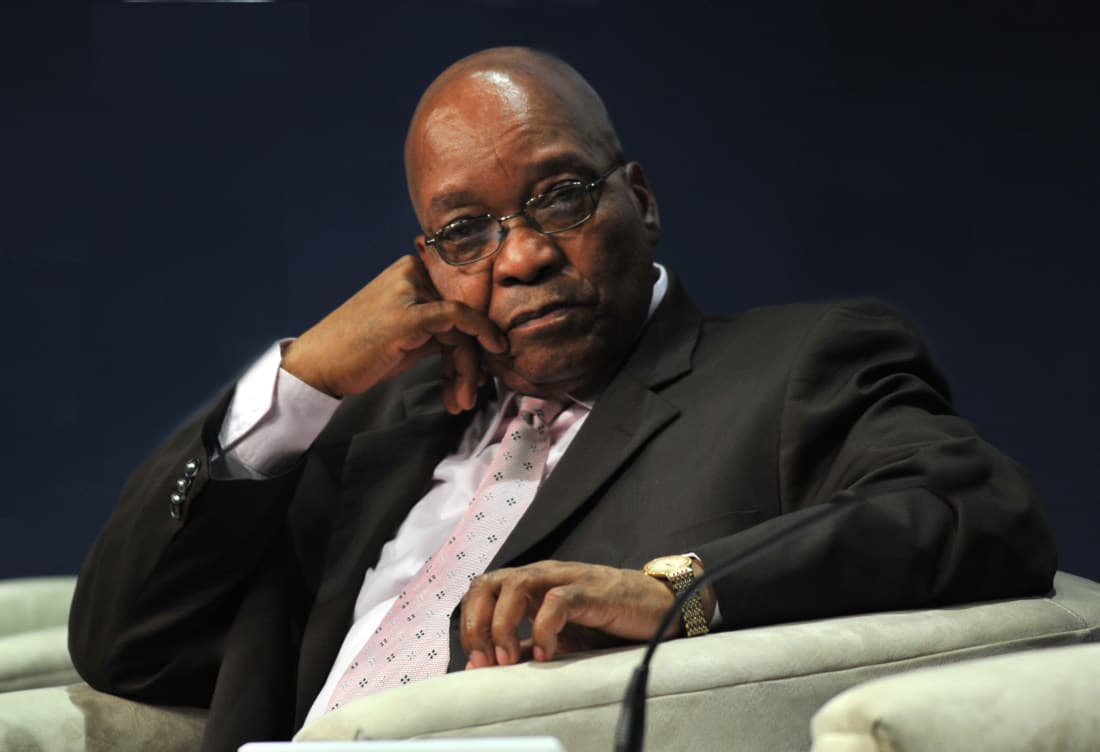
WASHINGTON (ViaNews) - A South African judge has ruled the country’s legislature must now set out rules of impeachment for President Jacob Zuma.
The Constitutional Court judge said lawmakers “did not hold the president to account and must put in place a mechanism that could be used for the removal of the president from office,” according to the UPI.
Zuma, 75, has been accused of using $15 million in state funds to upgrade his home. South Africa’s high court ordered him to pay back the money and the UPI reported he has paid back nearly $631,000. The latest ruling does not mean Zuma will be impeached, but only directs parliament to establish rules for potential impeachment proceedings.
It is not the first time Zuma has faced off with the court. In October the Supreme Court reversed the decision of the National Prosecuting Authority to drop corruption charges against Zuma and ordered the president must face those charges in court.
The investigation into Zuma included allegations the leader took more than $300,000 in bribes from arms dealers. The case was abandoned in 2009, before Zuma became president, according to the UPI.
In August, Zuma faced his biggest test in power when he survived a vote of no-confidence by the South African parliament. 198 ministers voted for Zuma while 177 voted against and nine abstained. It was the sixth such vote to remove Zuma from office since he was elected in 2009.
Earlier this month, the African National Congress – the controlling party in South Africa – elected Deputy President Cyril Ramaphosa as its leader, setting the stage for him to become the next president of the country when Zuma’s term expires in 2019. Ramaphosa was chosen over Zuma’s ex-wife Nkosazana Dlamini-Zuma by nearly 200 votes.
The latest decision by the high court came with praise from South African political parties. Bantu Holomisa told SABC News his United Democratic Movement party applauded the court ruling and hopes to work with other parties in the legislature on establishing the new rules of impeachment.
“We made a wise decision by calling for the National Assembly to start a process of impeaching Zuma so I think the court has given us a guideline to say go back and develop rules as soon as possible so let’s hope that the so-called new ANC will support the opposition parties and make sure that we produce these rules and regulations as soon as possible,” Holomisa said.
Party leaders from the Inkatha Freedom Party and the African People’s Convention also welcomed the ruling.
“We are happy that the matter has been clarified not because of president Zuma, but because the Constitution is there for everybody so anybody who will be President, whether in 10 years or 30 years, Parliament will know what to do,” said APC leader Themba Godi, to SABC.
The ANC said it will “study the judgment and discuss its full implications when the National Executive Committee meets on 10th January 2018.